•2 min read•from Frontiers in Marine Science | New and Recent Articles
Changes in sea ice influence bowhead whale distribution and overlap with vessel transits in the Pacific Arctic
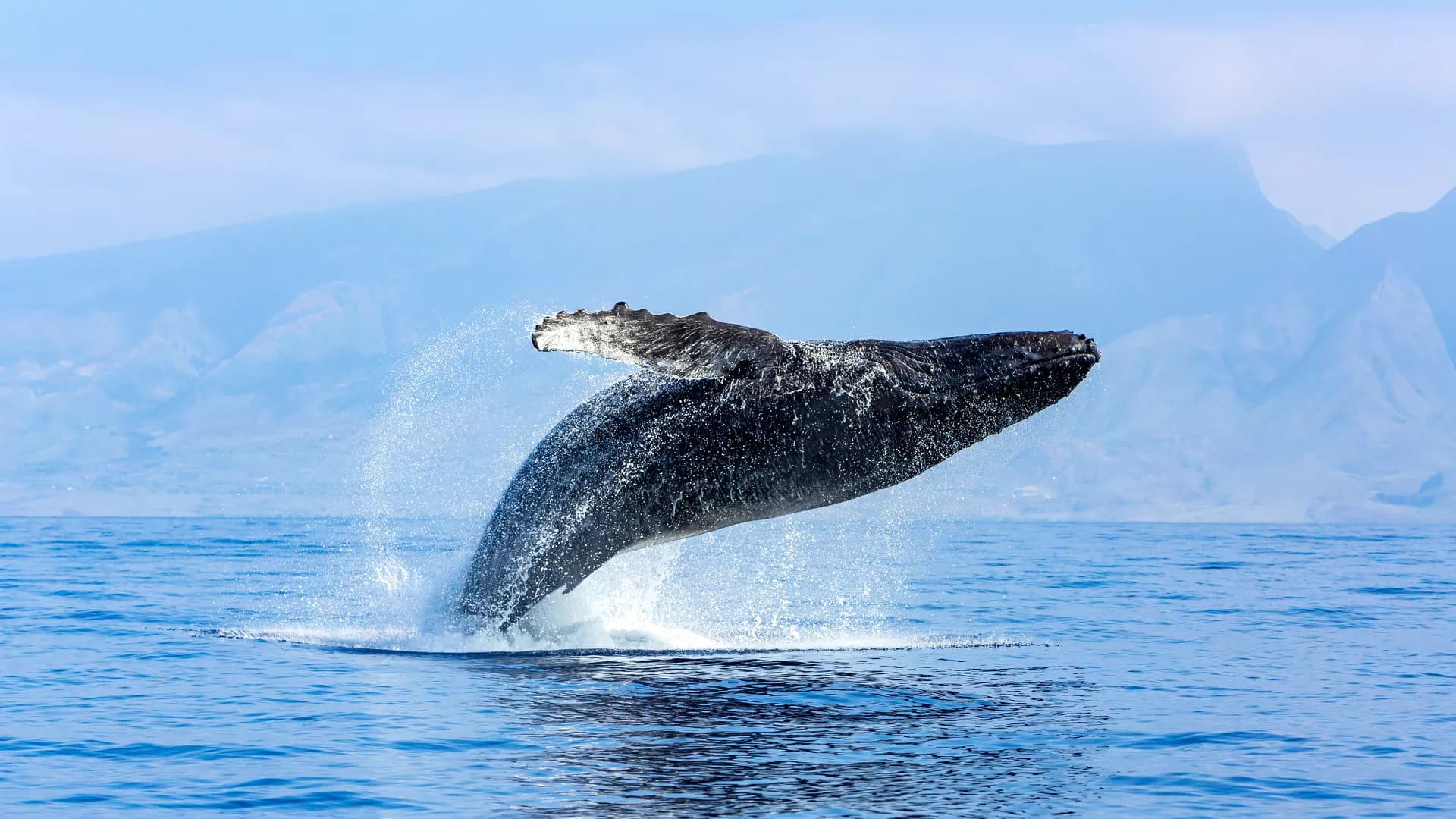
IntroductionArctic warming has resulted in substantial decreases in sea ice and a longer open-water season. This is occurring concurrently with changes in Bering-Chukchi-Beaufort bowhead whale seasonal movements and increasing vessel traffic through Bering Strait, which may increase strike risk.MethodsTo assess vessel traffic relative to bowhead whale distributions before (2013/14–2016/17), during (2017/18), and after (2018/19) a significantly low winter sea ice event in the Pacific Arctic, we combined vessel location data for eight vessel types during six seasons (September–March 2013–2019) transiting through whale utilization distributions (UDs) developed from satellite-linked telemetry from whales tagged during 2008–2019.ResultsBefore the low ice event, the home range (95% UD) and core use area (50% UD) followed a consistent seasonal pattern of bowhead whales migrating south through the Chukchi Sea to wintering areas in the western Bering Sea. The UDs shifted northward during the low ice event, resulting in a decline in annual vessel transits through UDs, from an average of 234 transits in the 95% UD and 139 in the 50% UD during the four seasons before the event to 62 and 45 transits, respectively during the low ice event. Mean vessel speeds, however, increased from 7.2 to 8.7 kt in the 95% UD. After the event, UDs shifted southward, although not as far as before, and transits through UDs remained low (81 and 34) and at similar mean speeds (8.9 and 8.7 kt) than during the event.DiscussionRegardless of period, vessels spent the most time along the northern coast of Chukotka and western Bering Sea resulting in the highest vessel densities and fastest mean vessels speeds. While it appears bowhead whales can adjust their distributions to rapidly changing ice conditions consequently overlapping with fewer vessels, faster transits through their UDs could put whales at increased risk of lethal strikes in the future.
Want to read more?
Check out the full article on the original site