Iran Plans To Charge Ships Transiting Strait Of Hormuz After 60-Day Toll-Free Period Expires
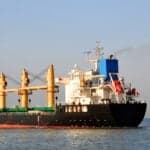


Iran has said it will begin charging commercial ships crossing the Strait of Hormuz after a 60-day toll-free period agreed under a new US-Iran memorandum.
The Strait of Hormuz is a key route for global oil shipments. Any change in how it is managed affects oil trade, shipping costs, and insurance decisions worldwide.
Iranian Parliament Speaker and chief negotiator Mohammad Bagher Ghalibaf said on state television that the agreement should not be seen as a success for Washington.
“The agreement is a record of US failure. People will see it and judge,” he said. He also said, “The Strait of Hormuz will not return to pre-war conditions,” adding that Iran would charge fees for services in the waterway after the grace period.
60-day toll-free period agreed under memorandum
The 14-point agreement was signed by US President Donald Trump and Iranian President Masoud Pezeshkian. It sets an immediate ceasefire and a plan to reopen shipping through the Strait of Hormuz.
Under the deal, commercial vessels can pass through the strait without charges for 60 days while further negotiations continue. After this period, Iran has indicated that a fee system may be introduced.
Iran’s Foreign Ministry spokesperson Esmaeil Baqaei said Iran and Oman would jointly manage maritime operations in the strait, which connects the Persian Gulf to international waters.
He added that any long-term deal must allow Iran to export oil freely, secure shipping insurance, and access international revenues.
Iran has confirmed the agreement has been signed by both sides. Baqaei said, “The text of the Islamabad Memorandum of Understanding was finalised with the signatures of the presidents, now it is time to test the implementation of the agreement.”
The US administration has said the agreement is meant to eventually keep the Strait of Hormuz open for toll-free shipping and prevent further disruption.
President Trump said the deal was needed to avoid wider global economic damage, warning that shipping could not operate safely while missiles, drones, and naval mines threatened the area.
He also said the agreement helps prevent “a worldwide depression.”
A senior US official said the 60-day period will be used for technical talks, mainly focused on Iran’s nuclear programme.
Washington has also suggested that nuclear materials would be destroyed under future arrangements, although Iran has not confirmed this.
Oil prices fall, but shipping uncertainty remains
Oil prices fell nearly 5% after the announcement as markets expected improved oil supply flows through the strait.
However, shipping activity remains disrupted. Hundreds of vessels are still reported to be stuck in the Persian Gulf after months of tension in the region.
Experts say it may take weeks to clear congestion and restore normal movement, depending on safety conditions in the waterway.
Analysts say tanker operators may still hesitate to fully return until there is clarity on future fees and rules.
The deal has faced criticism in Washington. Some lawmakers say it does not address Iran’s missile programme or its regional activities. Israeli officials have also raised concerns about concessions made to Tehran.
US officials say those issues will be handled in later negotiations during the 60-day window.
For now, ships can move through the Strait of Hormuz without paying fees. But Iran’s plan to introduce charges after the grace period means the long-term situation remains unclear, keeping global shipping and energy markets watching closely.
References: firstpost, wionews
Want to read more?
Check out the full article on the original site