•2 min read•from Frontiers in Marine Science | New and Recent Articles
Modeling habitat suitability for eight cetacean species in the Mediterranean Sea
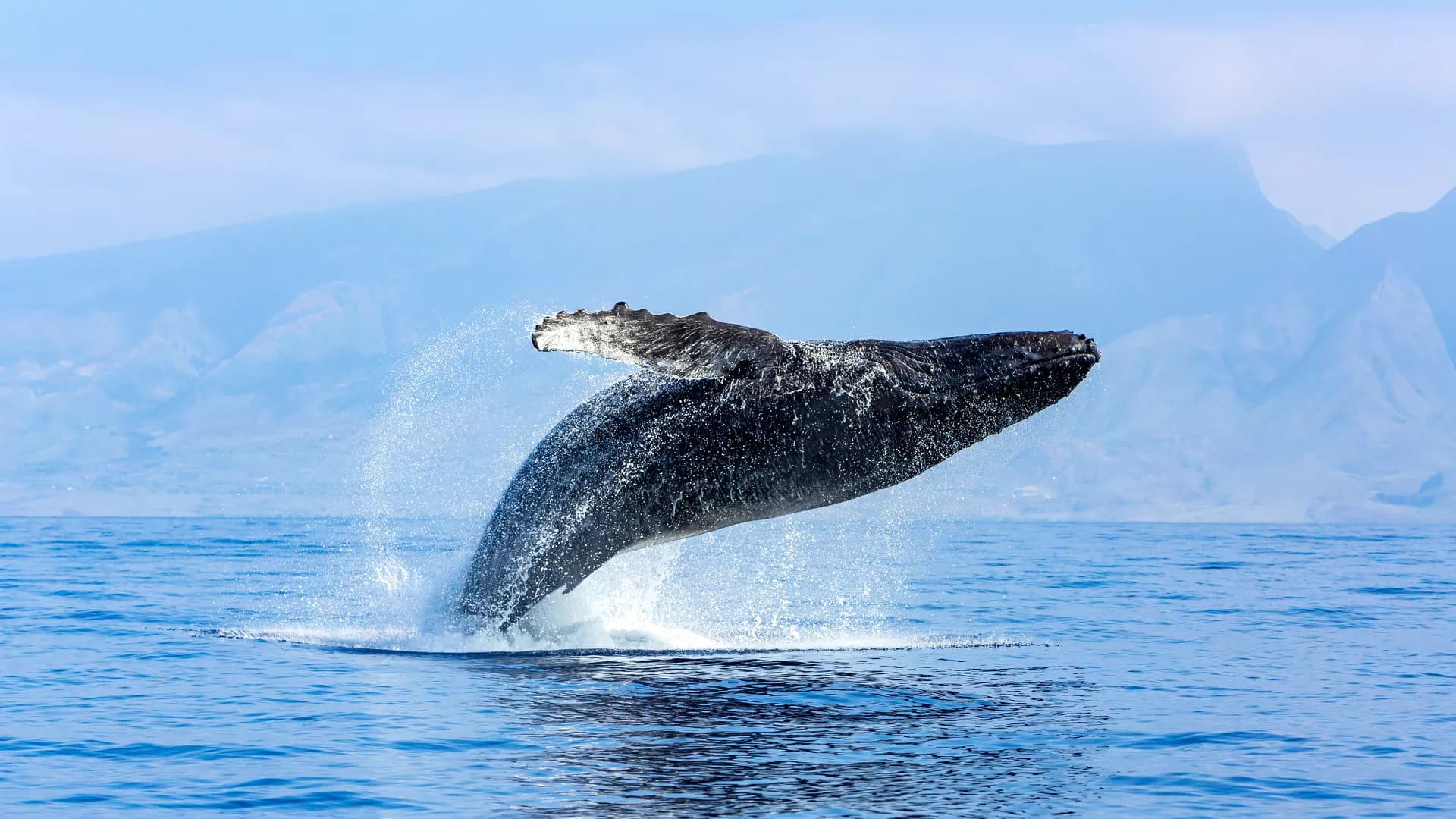
IntroductionCetaceans are key indicators of ecosystem health, yet their spatial ecology in the Mediterranean Sea remains incompletely resolved, limiting the effectiveness of conservation measures and marine spatial planning. Here, we provide a basin-scale assessment of habitat suitability for eight cetacean species and identify the environmental determinants shaping their distribution using survey-based occurrence data collected from 2006 to 2016 across the Mediterranean Sea.MethodsWe conducted a principal component analysis and a K-means cluster analysis on oceanographic variables to identify homogeneous areas that could explain cetacean distribution. A species distribution modelling tool, MaxEnt, was used to predict and assess habitat suitability for each species using environmental and topographic variables, with a bias file to account for unequal sampling effort.ResultsPrincipal component analysis identified the gradients along which the oceanographic variables change. The K-means clustering identified nineteen clusters which were associated with oceanographic features. MaxEnt modelling indicated that chlorophyll-a, sea surface temperature (SST), and distance to coast were the main environmental predictors shaping the potential distribution of Risso’s dolphin, whereas fin whale distribution was primarily influenced by SST.DiscussionOverall, the models indicated that SST, productivity gradients, and seabed topography are the main drivers of cetacean habitat preferences. Habitat suitability maps were generated for each species to illustrate potential distribution. By integrating oceanographic zoning with species distribution modeling, this study provides reproducible, policy-relevant spatial products to support the design of conservation areas, reduce risks from human activities (e.g., shipping and fisheries), and safeguard ecosystem services that underpin human well-being in the Mediterranean.
Want to read more?
Check out the full article on the original site
Tagged with
#ecosystem health