Does Volufiline Deliver Filler-Like Plumping or Is It All a Marketing Ploy? Beauty Experts Weigh In
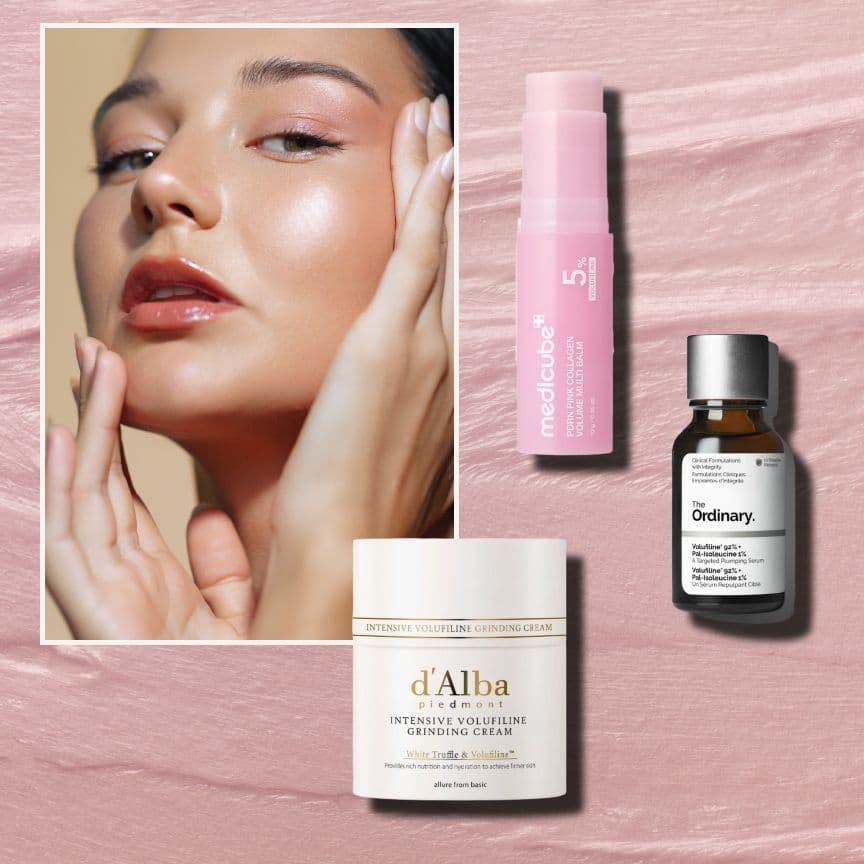
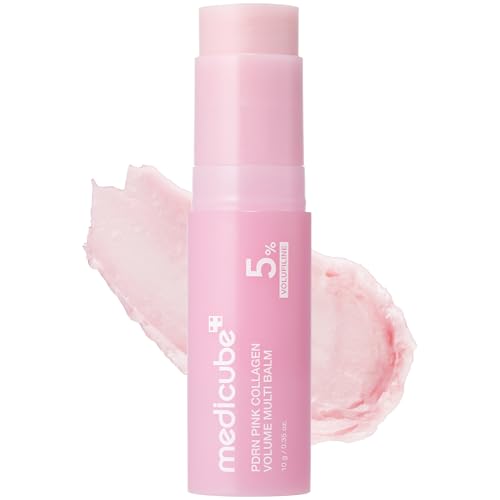
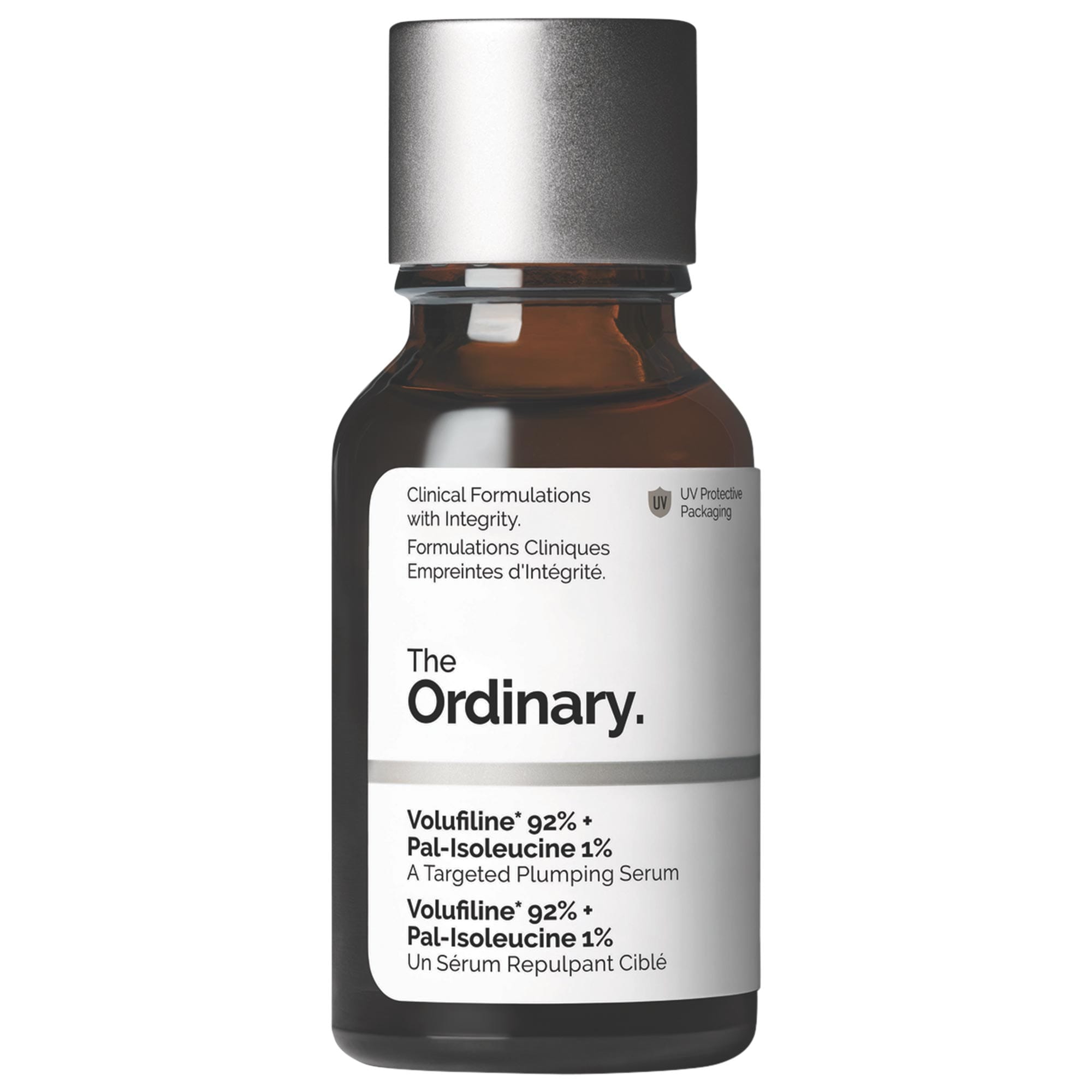
Filler in a bottle. Those four words continue to pop up in beauty-focused social feeds everywhere, on posts enthusiastically touting the skin-plumping abilities of Volufiline. Which, if you are to believe the acolytes of your algorithm, can camouflage smile lines, revive deflating cheeks and pouts, and restore under-eye hollows. On TikTok, devoted users are MacGyvering their bottles of The Ordinary’s Volufiline with rollerball tops to make application easier; they’re sharing before-and-afters of newly volumized features; and they’re trying to prove the plumping powers of Medicube’s new Pink Collagen Volume Multi Balm Stick (which features Volufiline) by testing it on their, wait for it… fingertips. Reddit threads are also awash with curious shoppers seeking the truth about the latest skincare craze. But what exactly is Volufiline, and can the niche ingredient live up to the online hype?
What Is Volufiline?
Volufiline is a trade name for a cosmetic ingredient made from sarsasapogenin, a plant-based isolated compound extracted from Anemarrhena Asphodeloides, or Zhi Mu, as it’s more commonly known in China where the plant has medicinal value and is widely used. “In TCM [Traditional Chinese Medicine] the herb is used to address dryness, fluid depletion, and the excess heat that can arise because of it,” says Sandra Lanshin Chiu, DACM, a doctor of acupuncture and TCM, and the founder of Lanshin clinic in New York. Topically, Volufiline claims to be able to go more than skin deep, reaching our fat cells, which has major implications to potentially plump the skin.
Ron Robinson, a cosmetic chemist and founder of the skincare brand, BeautyStat, explains that Volufiline claims to work by stimulating fat cells to multiply, thereby creating a fuller, more sculpted appearance. These are, to be clear, claims from the ingredient’s manufacturer, not a third-party review. Thus far, there has only been one small study (by pharma manufacturer Sederma) conducted on a group of 28 women who applied a cream with five percent Volufiline to one breast; after two months of use an average increase in volume of 2.2 percent was recorded. But breast size can be wildly variable from month to month, not to mention that while it is skin, it’s not the same as testing the product on faces where skin is generally thinner and more sensitive.
What Can (And What Can't) Volufiline Do?
The appeal of Volufiline is that it purports to work differently on the skin than other more popular skincare ingredients that plump and restore volume via hydration. “Unlike hyaluronic acid or glycerin that attract water to the skin to help visibly plump it, this ingredient has a unique mechanism of action whereby it stimulates fat storage to visibly plump the skin,” says Robinson. It’s something that no topical ingredient has been proven to be able to do.
Monica David, a New York-based facialist who has been using the ingredient on herself and clients, says Volufiline’s mechanism of boosting volume by stimulating lipid storage in your existing fat cells is what makes it unique. But Abigail Waldman, MD, a dermatologist at Brigham and Women’s Hospital in Boston, is, like a number of doctors, skeptical about Volufiline. “There are ingredients that can improve texture, color, and evenness of the skin, and some, like retinoids, can increase collagen and improve the appearance of wrinkles and fine lines, but currently there’s no topical ingredient that adds volume to the face,” she says.
Julian Sass, PhD, a cosmetic scientist beloved for his practical stats-driven distillation of beauty trends, said in a TikTok about Volufiline that while it’s very difficult to get a product down to the fat layer of the skin, there’s a chance that the ingredient could trigger a response in the upper layers that signals the fat cells below. But still, no proof of that yet. Chiu posits that Zhi Mu (or sarsasapogenin), from which Volufiline is extracted, may be influencing the tissues around your skin’s fat cells. He cites recent research showing that these cells don’t function independently and are, rather, influenced by their environment. Perhaps, but again there is no proof yet.
What is definitively not possible is for Volufiline to be “filler in a bottle.” There is no cosmetic ingredient, says Robinson, that can duplicate the effects of a professional injectable filler. “Cosmetic products are designed to target the superficial appearance of the skin, not to impart the same instant and lasting changes as injectables,” says Rita Silva, global senior manager of scientific communications and brand engagement at DECIEM (which owns The Ordinary). Any change Volufiline makes will be subtle, says David. “Those looking for a more extreme result should temper expectations with this ingredient,” she adds.
What Are the Risks of Using Volufiline?
Per Robinson, when using a product with Volufiline there is the potential risk for skin irritation and acne breakouts. Chiu has also read feedback from people who claim that their eye bags seemed worse when using the ingredient, though she hasn’t seen this firsthand with her own patients. David too hasn’t seen any negative results on her own clients but admits to going down Reddit rabbitholes where people claim their face was permanently altered from the plumping effect which, she adds, is very dubious. But Waldman thinks that if Volufiline really lived up to manufacturer claims, there could be other risks to consider.
Those looking for a more extreme result should temper expectations with this ingredient.
Rita Silva
“If it really worked how it claimed and caused fat cells to locally store more fat and cause skin ‘filling’ then the potential side effect would be lipomas (fatty growths beneath the skin surface),” adds Silva. While there is the small Sederma trial and The Ordinary conducted its own short-term hydration study on its own Volufiline formulation to confirm its suitability for all skin types, what’s clear is that the ingredient warrants further clinical research. “If the ingredient is making strong claims for delivering volume, then it should have third party testing data to validate those claims,” says Robinson.
So, Is Volufiline Worth Trying?
Consumers, says Silva, are looking for more affordable at-home options to in-office procedures that provide similar benefits, meaning topical solutions for fine lines and volume loss that aren’t Botox or filler. Beauty consumers are craving something impactful, even subtly so, that isn’t invasive or expensive, adds David. “There is a large middle ground between basic skincare and medical procedures that often gets overlooked, and people underestimate how meaningful those middle ground changes can be,” says Chiu, which is why some brands are betting on Volufiline’s potential. The Ordinary’s version marries Volufiline (at 92 percent) with Pal-isoleucine (at one percent), another plant-derived ingredient that claims to address volume loss, and is targeted for use under the eyes and around the cheeks and smile lines, while Medicube’s Pink Collagen Volume Balm combines Volufiline with PDRN, NAD, caffeine, retinol and EGF (all buzzy ingredients in the skincare space). Both have become bestsellers.
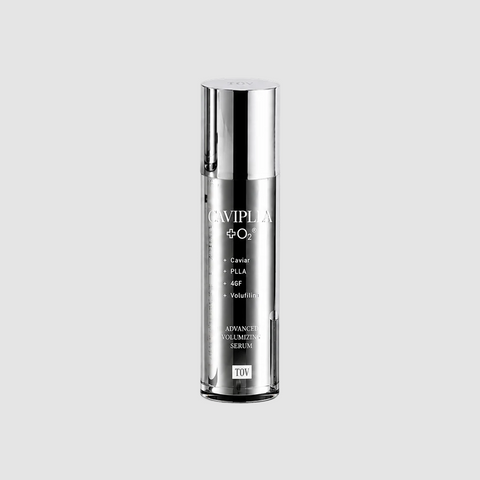
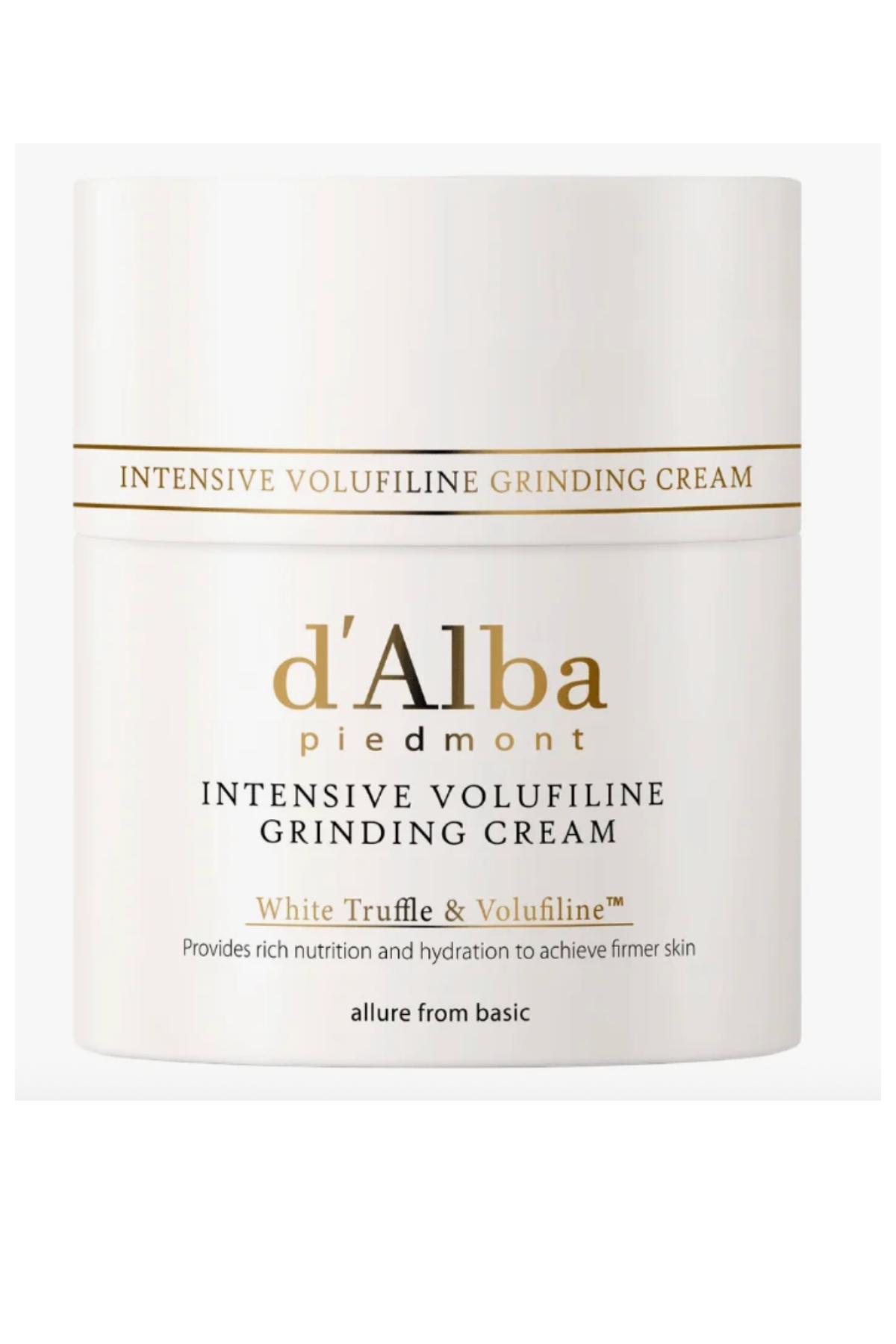
At Olive Young, the popular K-beauty retailer that just opened its first US flagship in California, shoppers can get their Volufiline fix with D’Alba’s Volufiline Spray Ampoule and Grinding Cream where it’s paired with white truffle. And at Lanshin (Chiu’s clinic and store in Brooklyn) and Monica David’s spa, TOV’s CaviPLLA O2 Advanced Volumizing Serum, which stacks Volufiline with Poly-L lactic acid, peptides and niacinamide, is a top-seller.
Chiu has noticed a discernible difference (an improvement in hydration quality and what she calls “cushioning”) in the skin of her regulars who are regularly using TOV’s CaviPLLA Serum and so have they. “Volufiline generates more excitement among them than any other ingredient,” says Chiu, who often has clients slather on the CaviPLLA serum after a hydrating mist, then top it off with a facial oil or moisturizer, then SPF. “They all report changes in plumpness, volume and skin glow,” she says.
Robinson believes the marketing of Volufiline as a filler dupe is behind the growing interest, and anecdotal evidence goes a long way online. But for many who do incorporate Volufiline into their routine, the proof may be in the plumpness. “Even when doctors started debunking the filler claims on social media, the comment sections were still full of people loving their results,” says Chiu. For brands like Medicube, the Volufiline proof may also be in the receipts: since launching in mid-March the K-beauty brand has sold more than 1 million Multi-Balms.
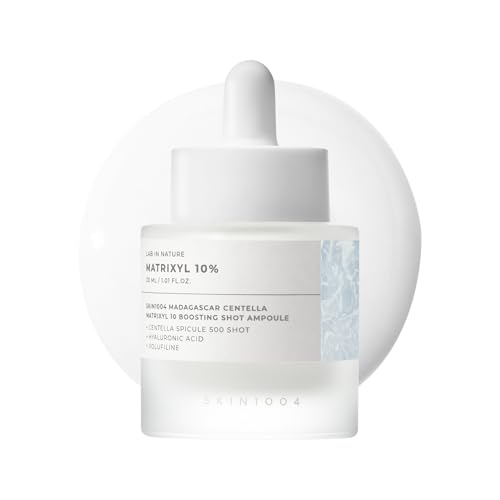
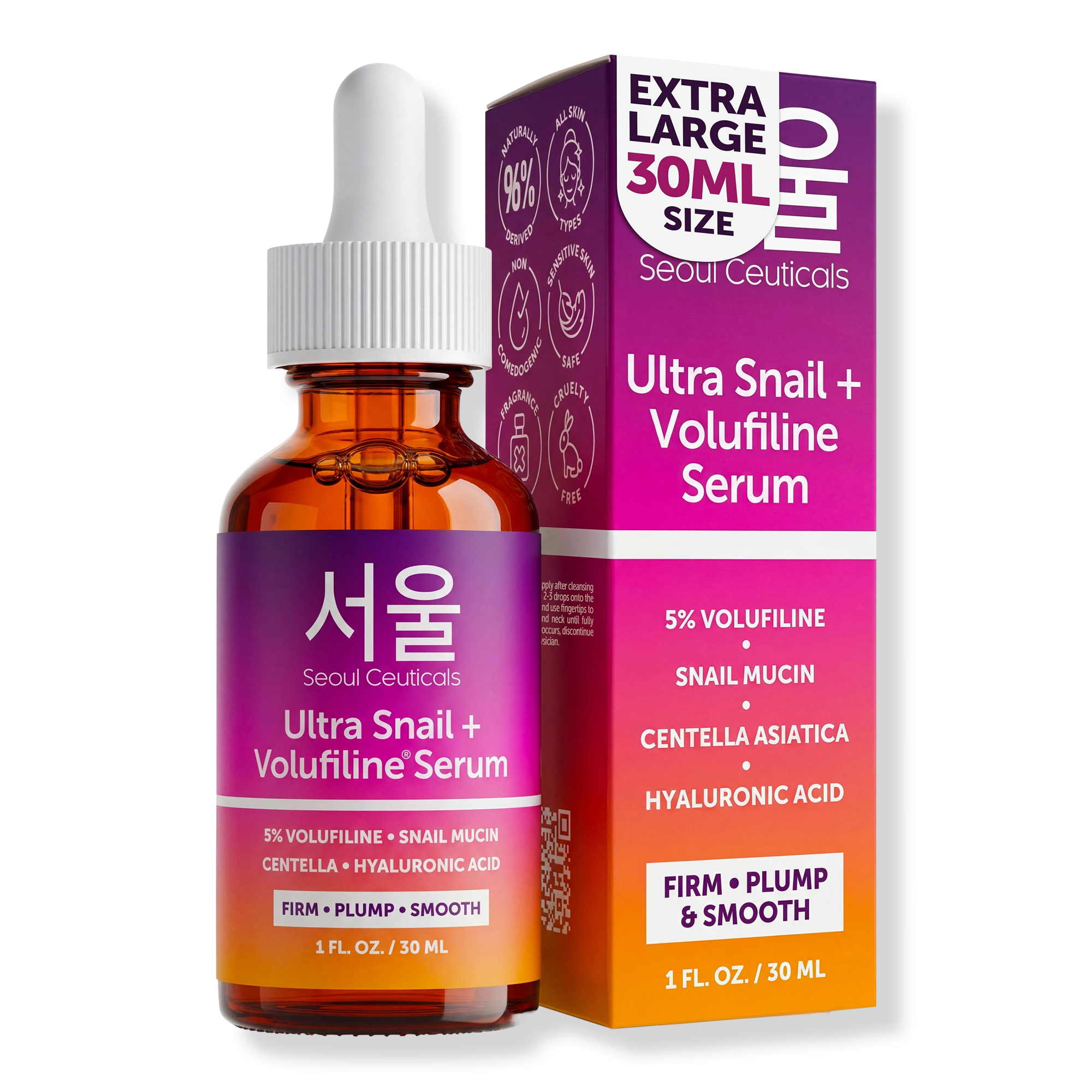
Shop Volufiline Products
Why Trust Marie Claire
For more than 30 years, Marie Claire has been an internationally recognized destination for news, fashion, and beauty trends, investigative packages, and more. When it comes to the products Marie Claire recommends, we take your faith in us seriously. Every product that we feature comes personally recommended by a Marie Claire writer or editor, or by an expert we’ve spoken to firsthand.
Meet the Experts
Want to read more?
Check out the full article on the original site