Expanded Naval Presence Calibrated for Red Sea Shipping Security
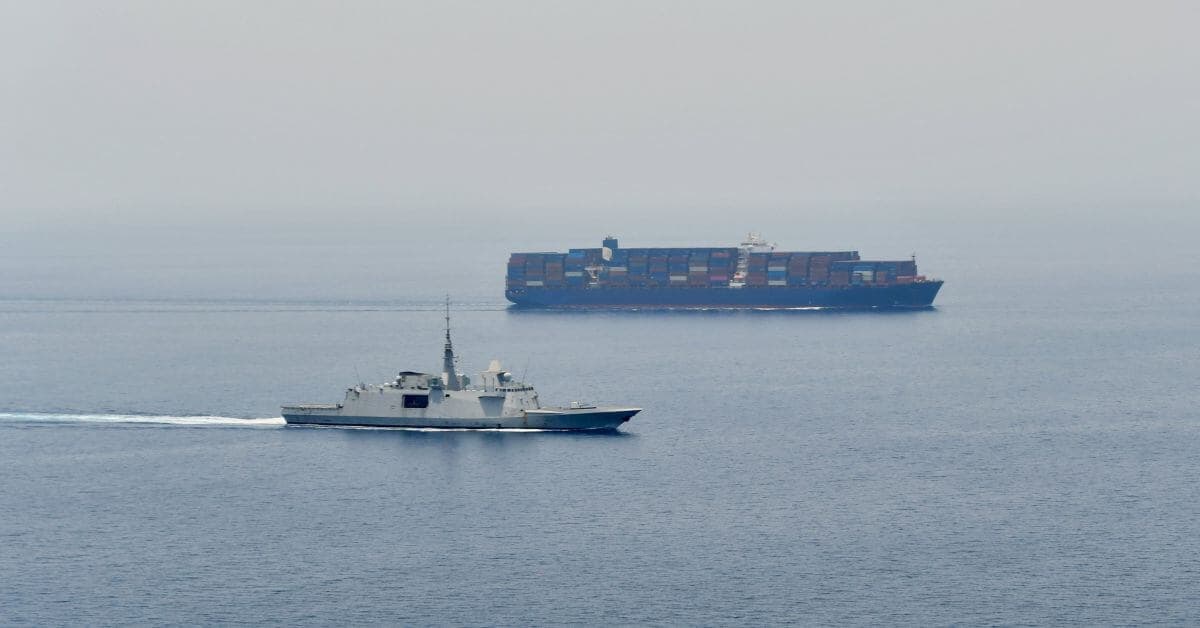
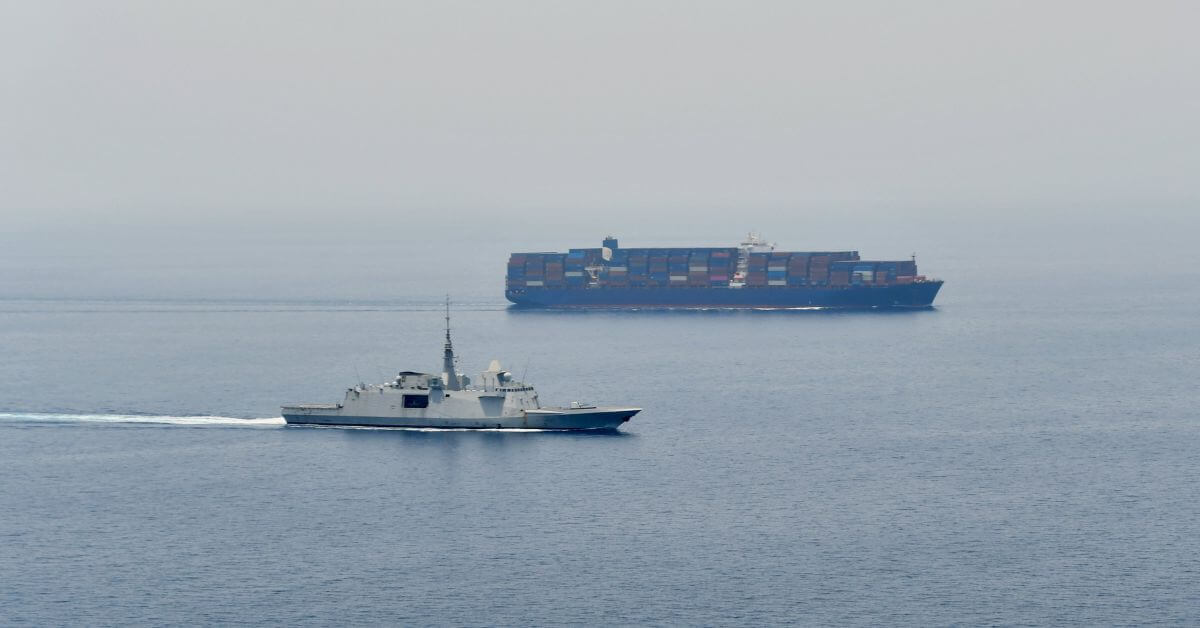
The European Union needs more than 10 warships to protect shipping in the Red Sea, EU foreign policy chief Kaja Kallas said on Monday, September 21.
The EU’s Operation Aspides currently has six warships in the region, diplomats said.
Kallas said the mission was initially expected to have at least 10 ships. She said the security situation had since become more serious.
She added the mission needs more naval and air assets to address the increased level of threats in the region.
The statement came as Yemen’s Iran-backed Houthis have made rapid advances along the Red Sea coast in recent weeks.
Kallas said the Houthi attacks were affecting European interests and the global economy. She also warned that the situation could affect European supply chains and economies already facing higher fuel prices.
Operation Aspides was launched in 2024 to protect shipping from attacks by the Houthis. The mission operates in the Red Sea and nearby waters and protects merchant vessels.
Kallas sent a letter to the EU’s 27 member states on September 19 asking them to increase their contributions.
The issue will be discussed at upcoming meetings of EU defence and foreign ministers, she said.
EU countries have not yet agreed to a major increase in the size of the mission.
Italy, one of the key countries in Operation Aspides, is also preparing a separate naval mission in the region.
Italy announced on Thursday that it was preparing the mission for its own ships. It said it could not wait for the EU to respond to the new crisis.
Italian Defence Minister Guido Crosetto has also called for more ships. He said the current assets were not enough to respond to requests from commercial vessels for protection.
Kallas said the Black Sea, Strait of Hormuz and Bab al Mandab are important maritime chokepoints. Disruption at these waterways could affect areas beyond the regions where they are located.
The Strait of Hormuz is already seeing less traffic because of the US-Iran war.
In her September 19 letter, Kallas said the Houthis had said they would only target Saudi-linked interests for the time being.
But she said there was still uncertainty over how they would treat vessels travelling through the Strait.
The EU will now discuss the request for more warships and aircraft with member states at upcoming defence and foreign ministers’ meetings. The number of additional assets that countries may provide has not yet been decided.
References: Reuters, economictimes
Want to read more?
Check out the full article on the original site