A Quiet Return: Two-Tone Shoes Find New Resonance
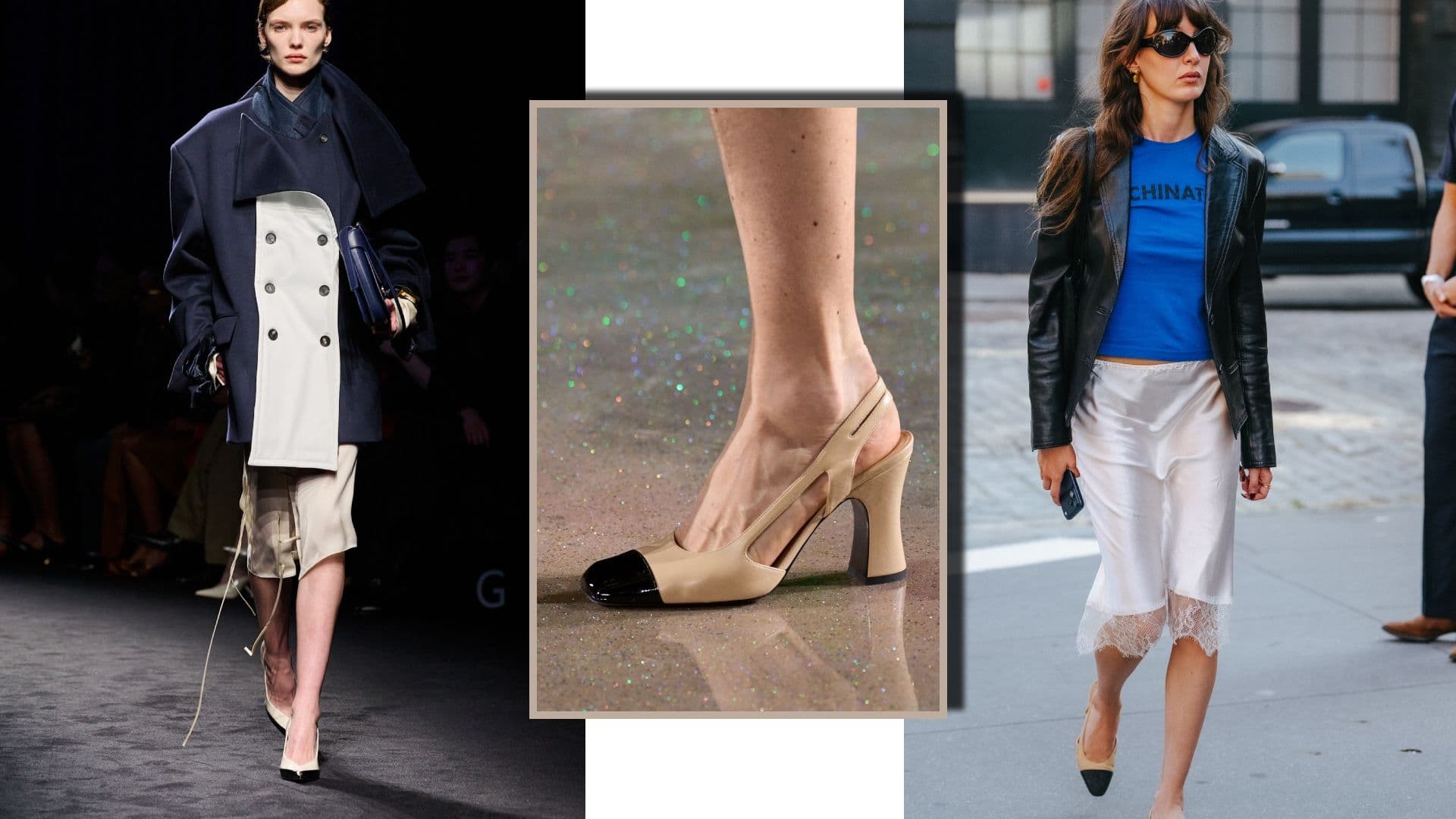
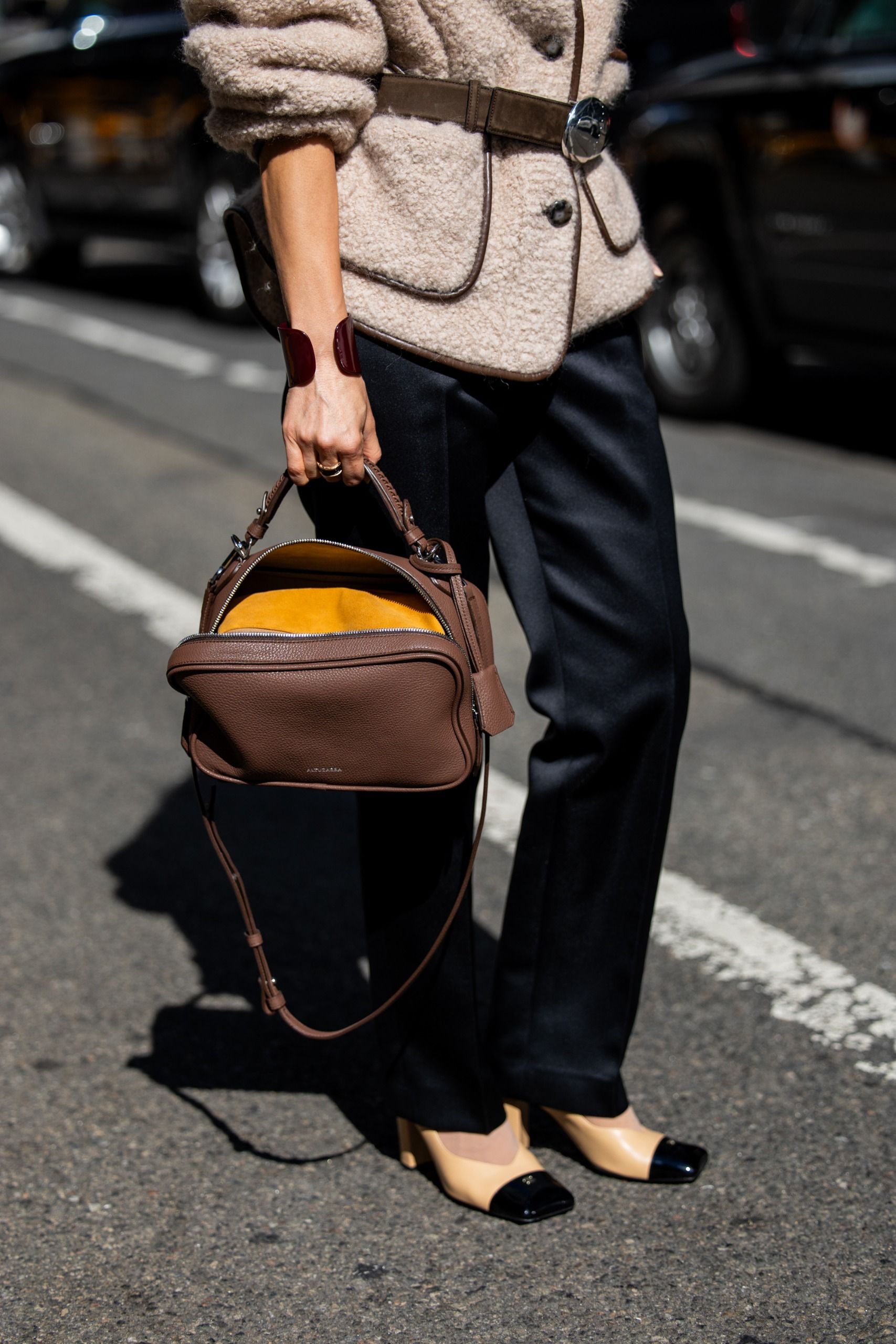
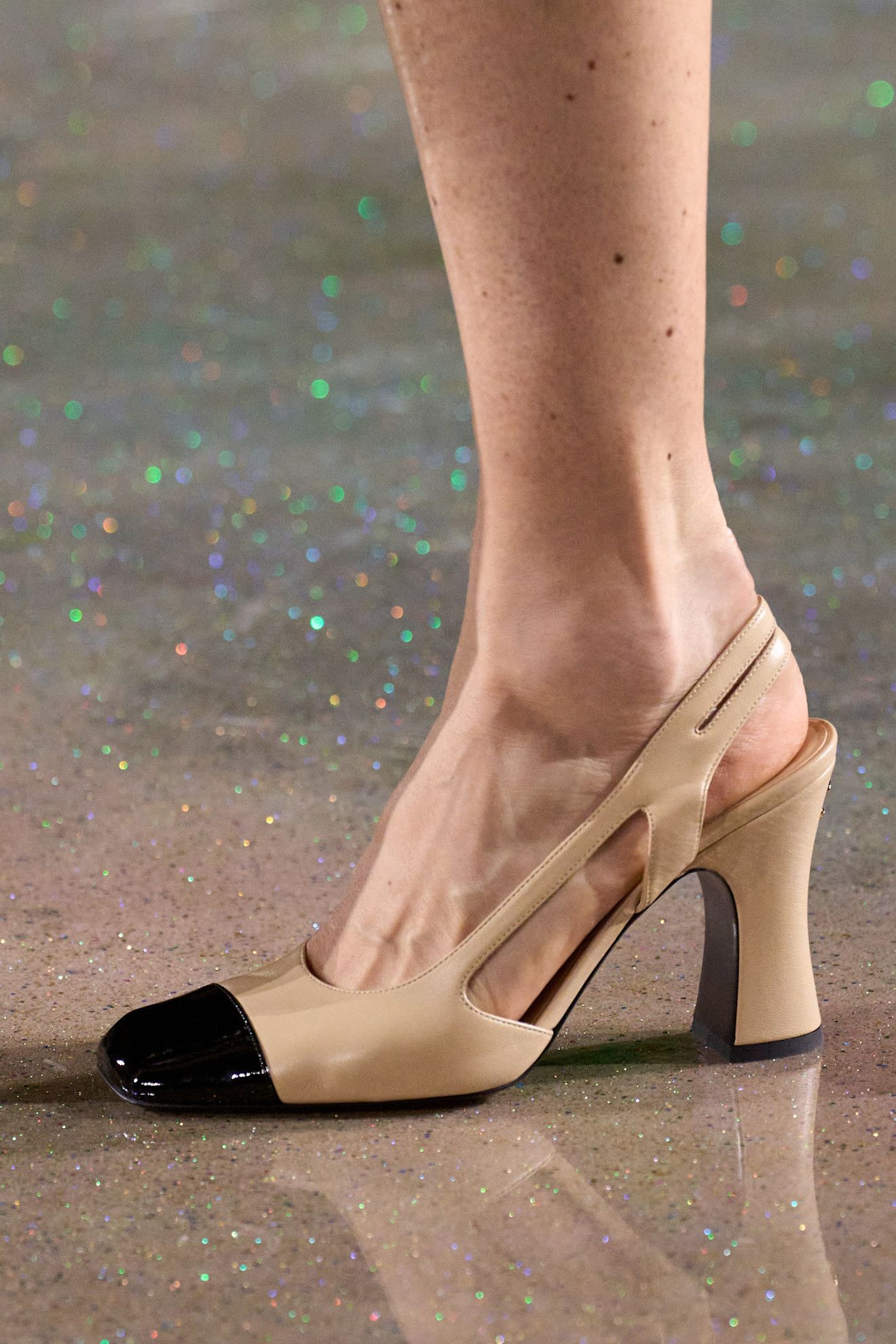
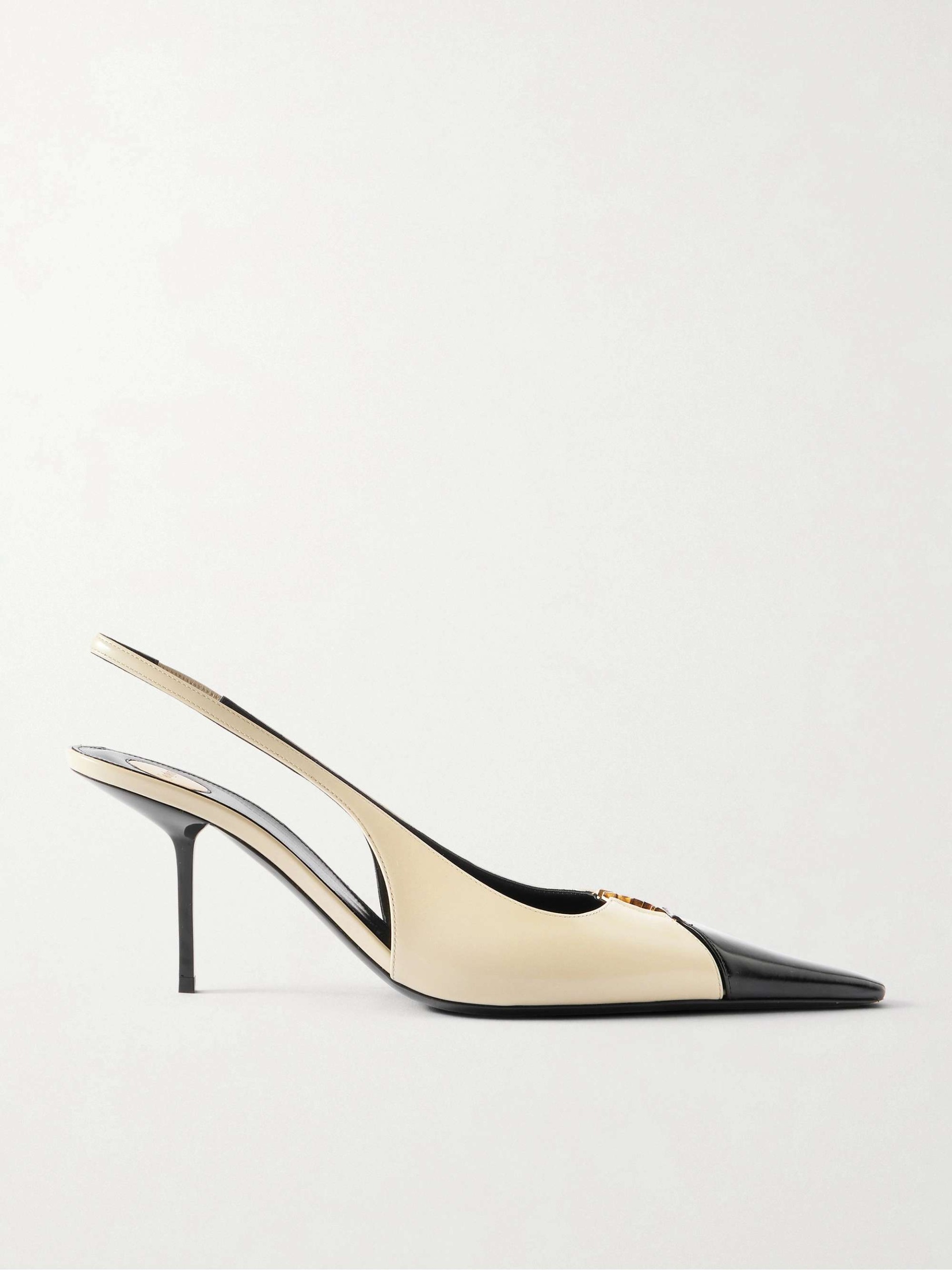
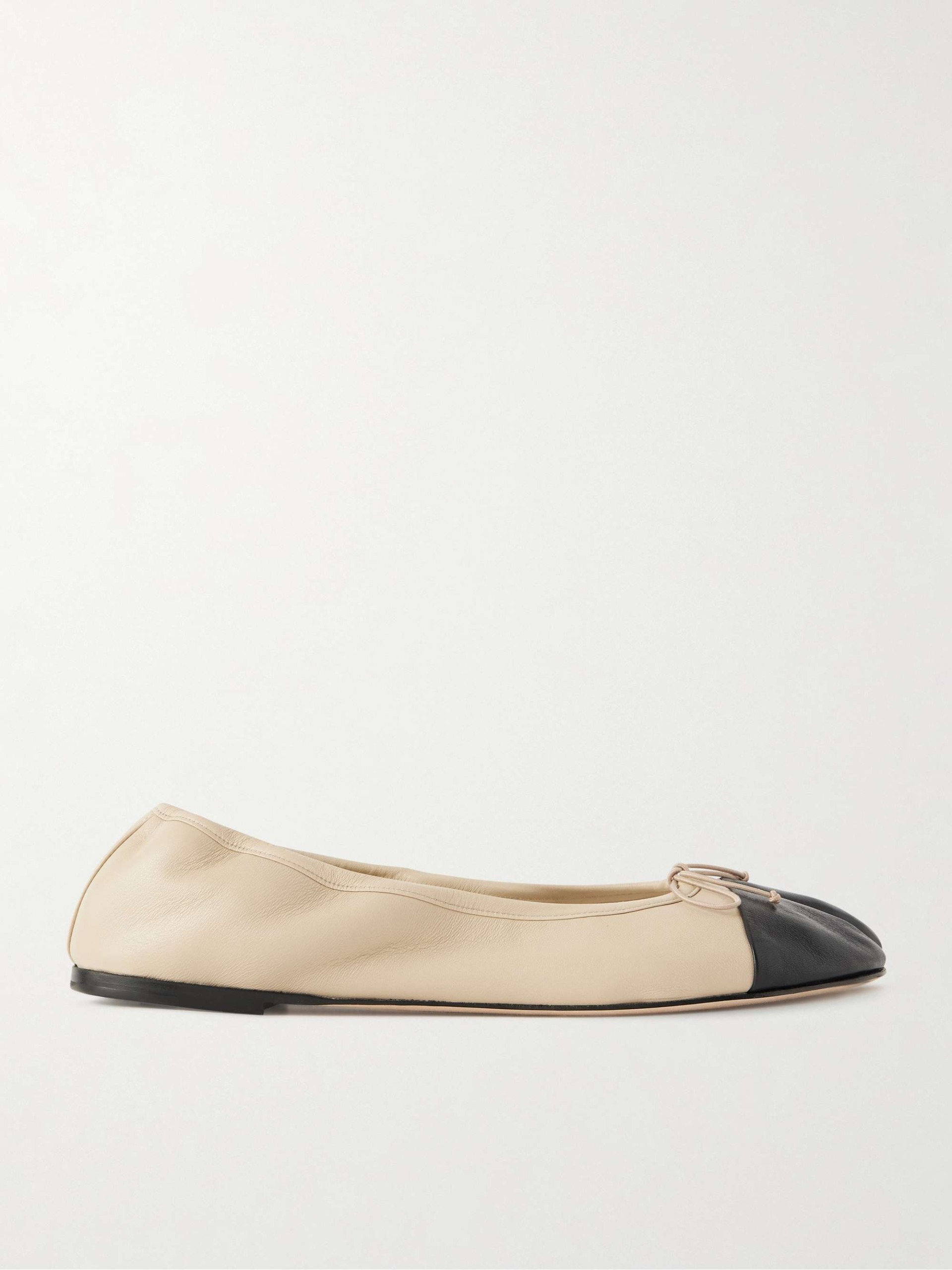
There are certain fashion codes so deeply embedded in the canon that they become almost invisible—until the right designer makes you look again. Chanel’s two-tone shoe is one of them. First introduced under Gabrielle Chanel in 1957, the beige-and-black style established the contrasting cap toe as a shorthand for a particular kind of Parisian polish: graphic but restrained, ladylike without being saccharine. For decades, the formula remained remarkably recognizable. Then Matthieu Blazy arrived.
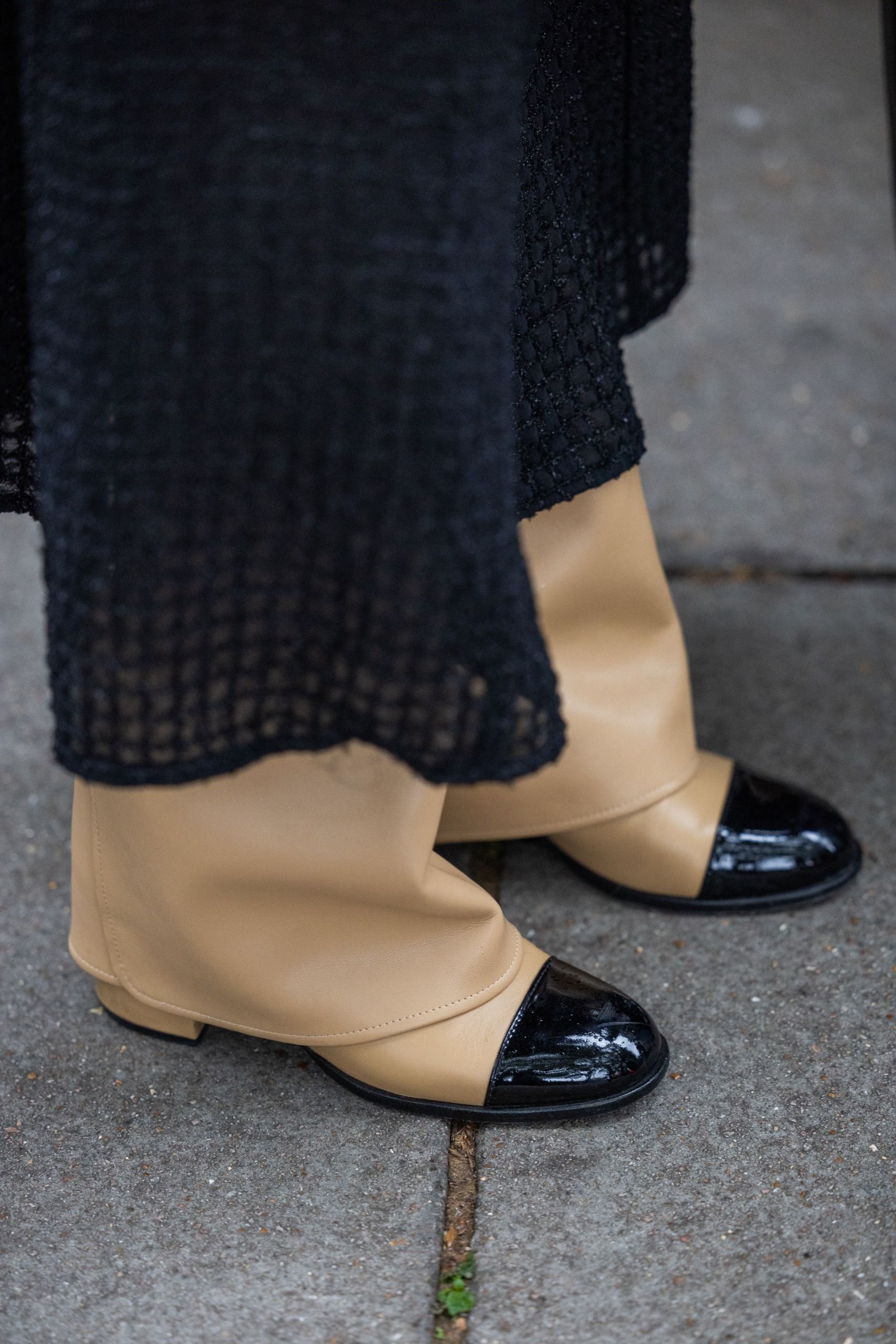
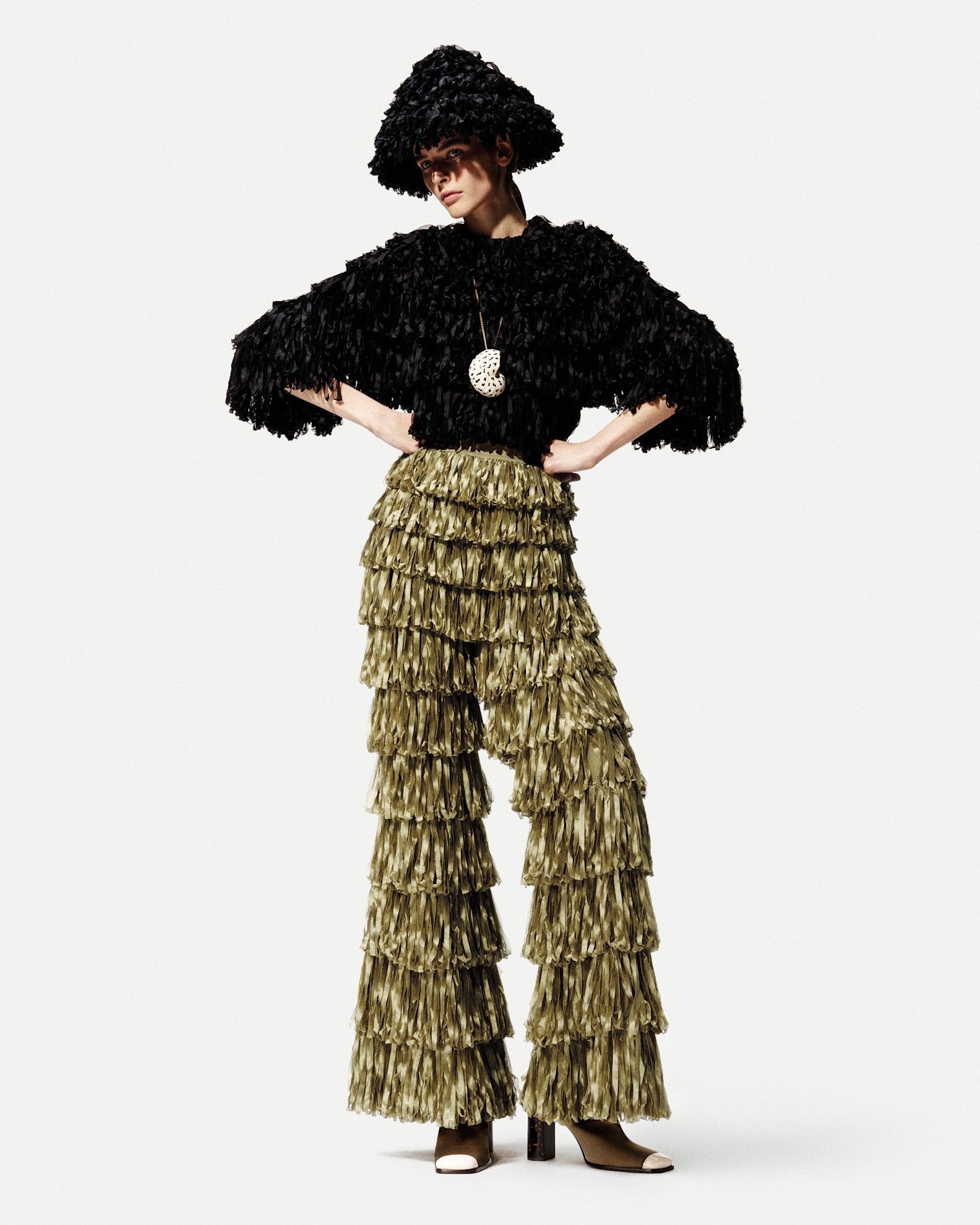
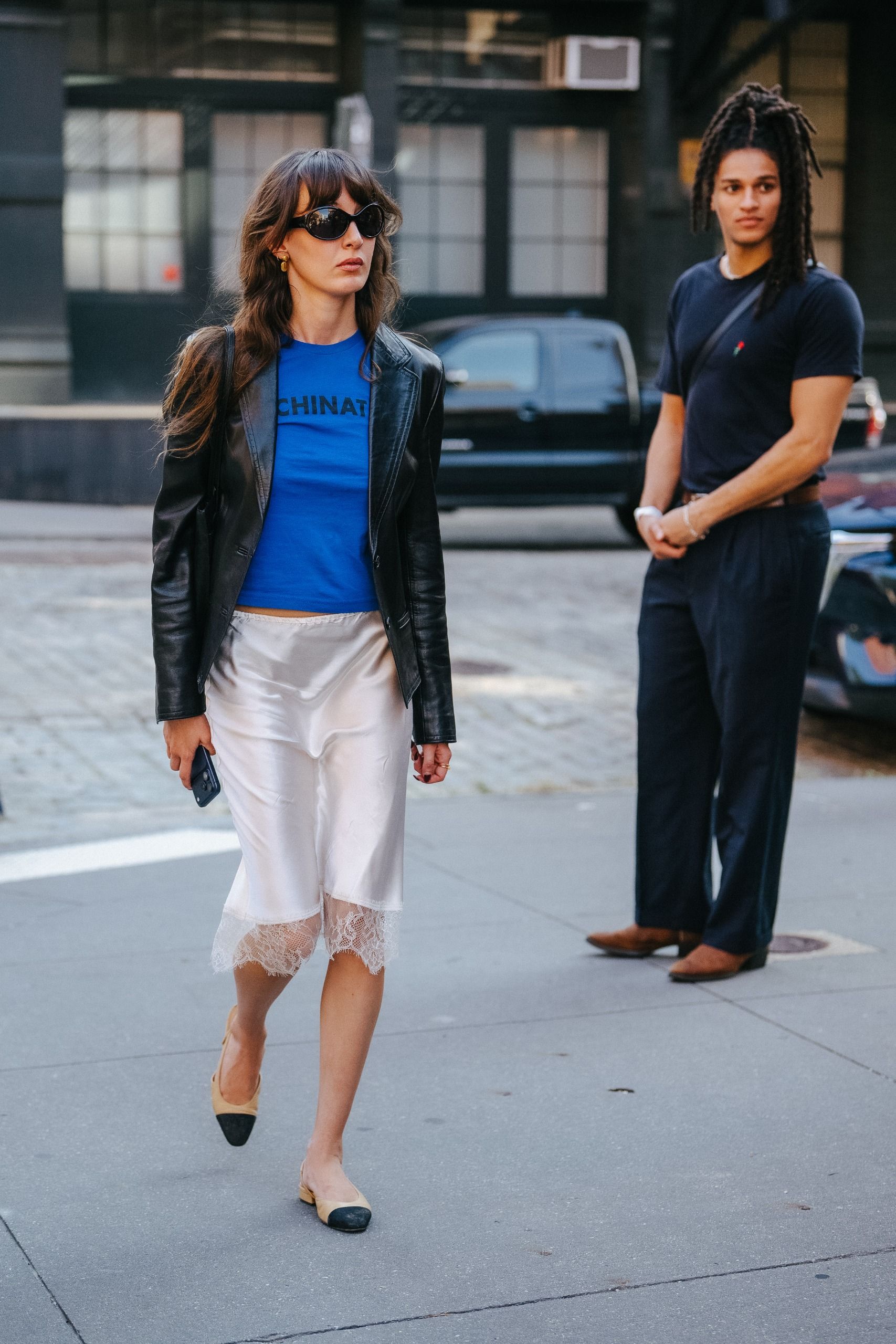
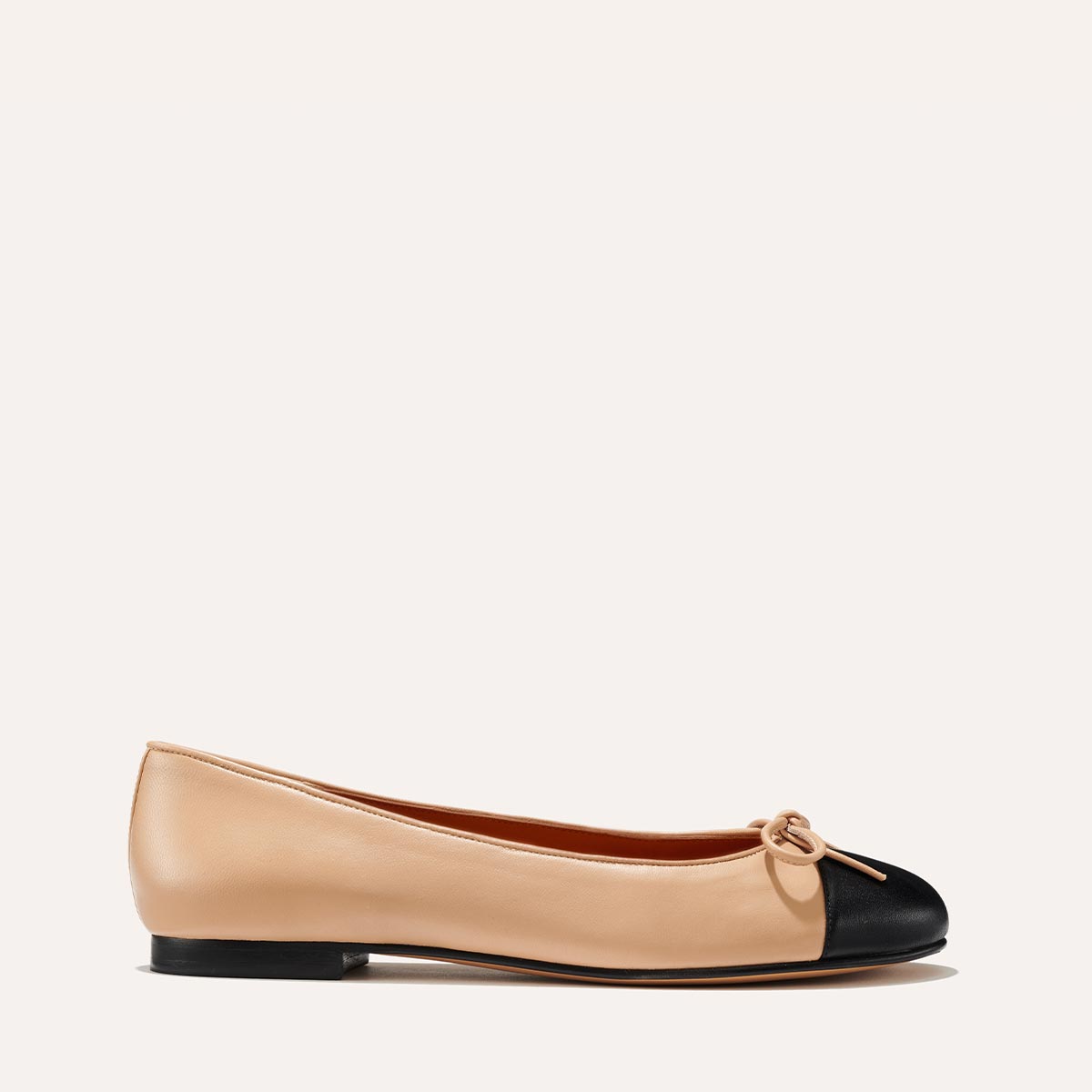
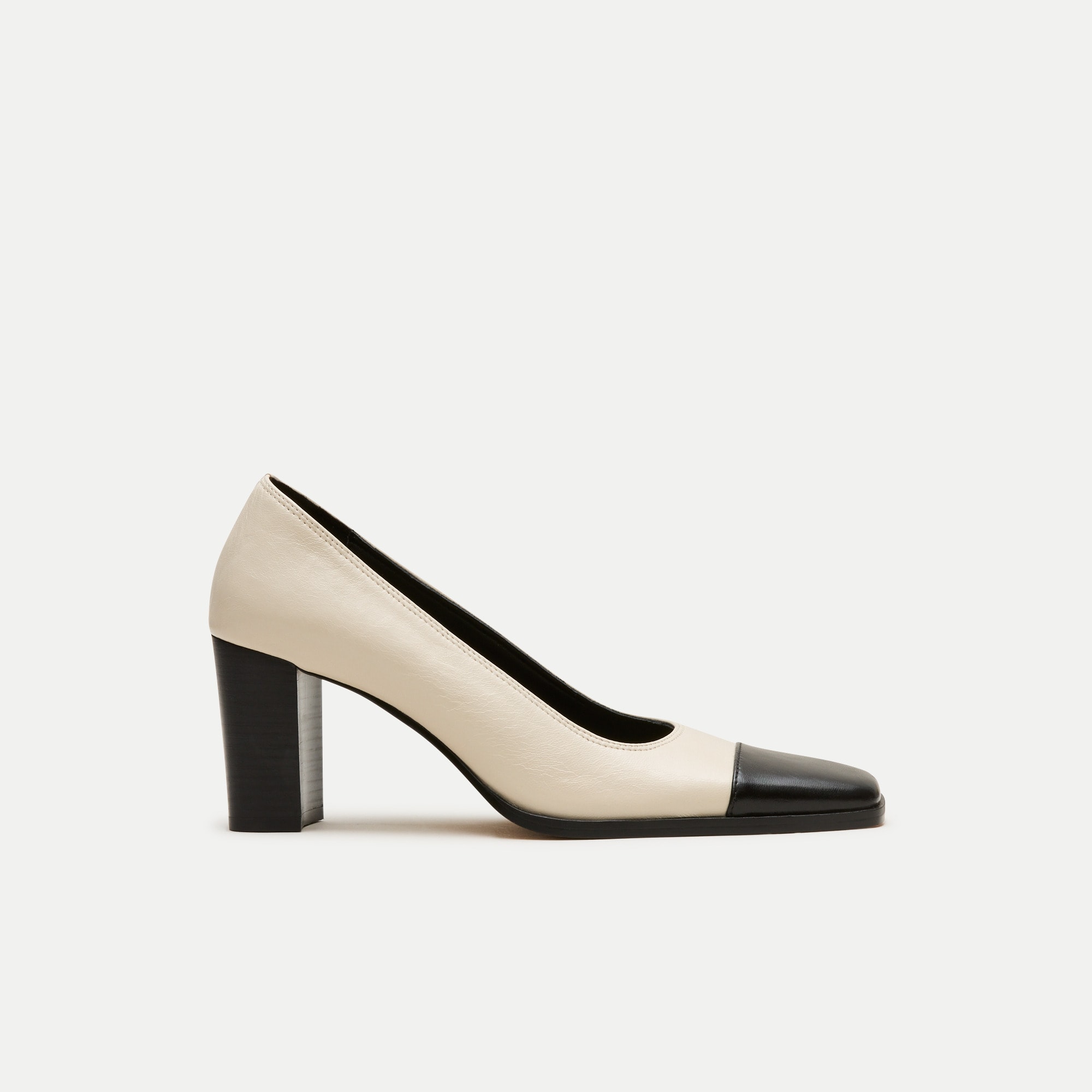
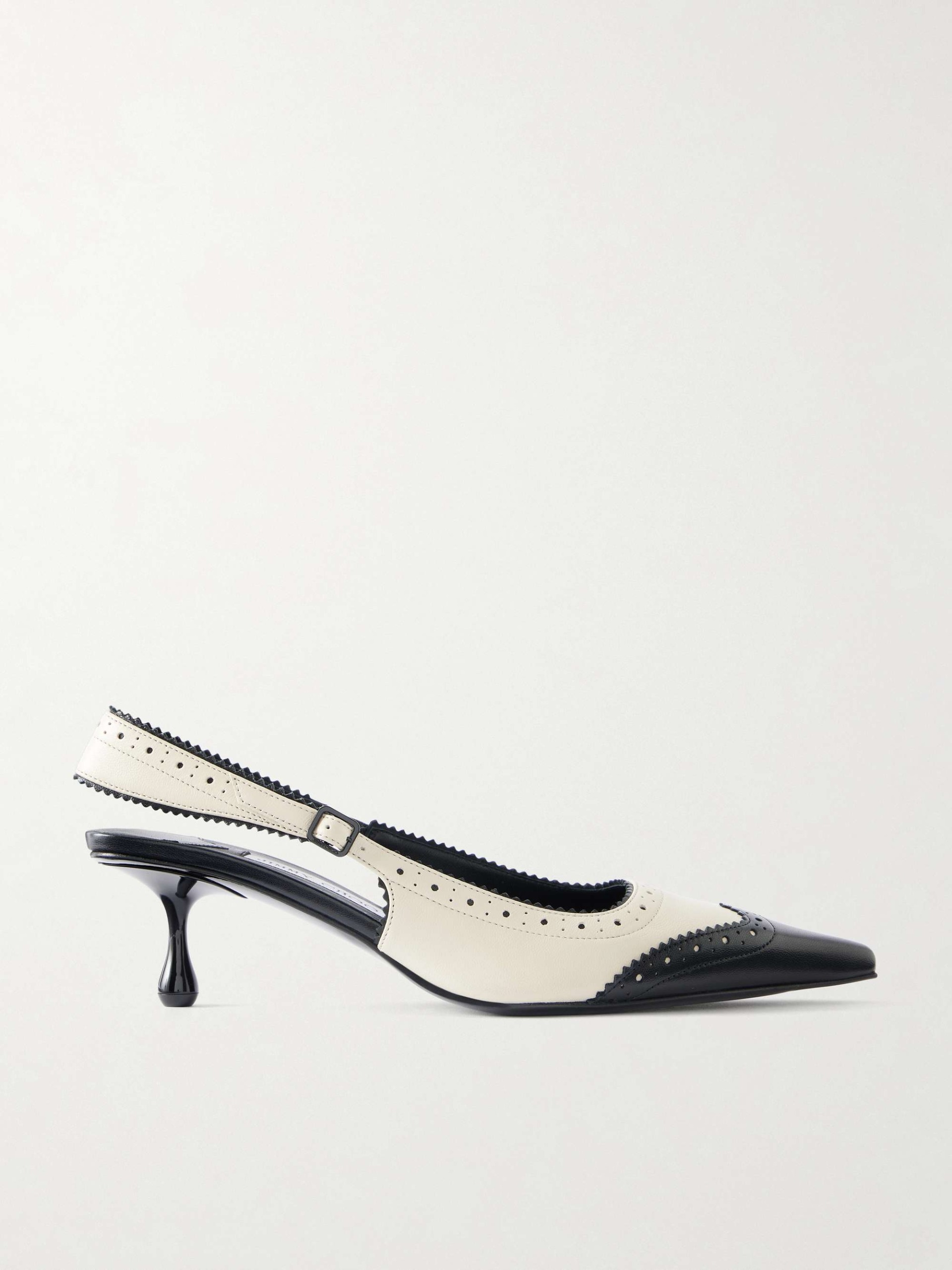
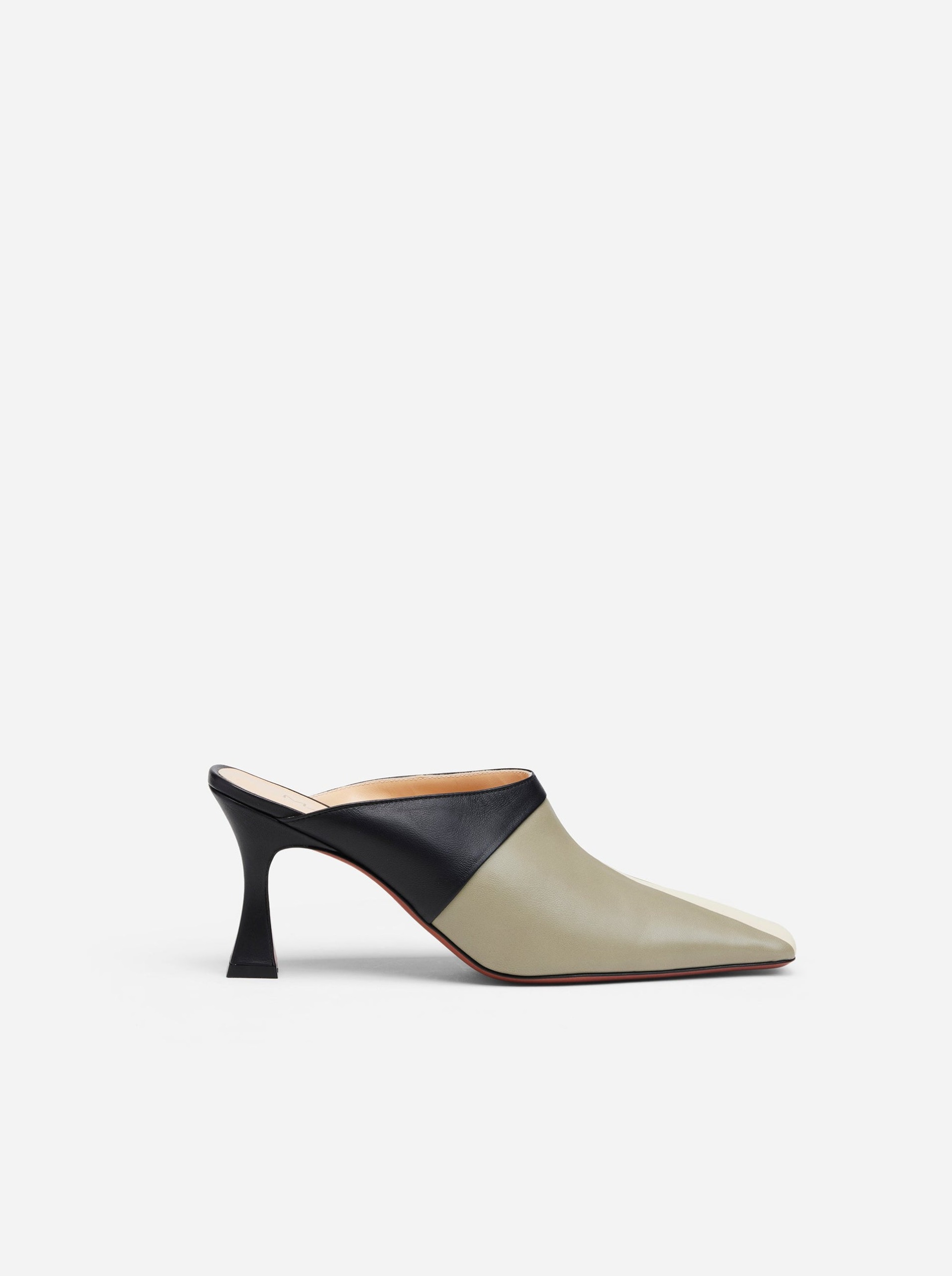
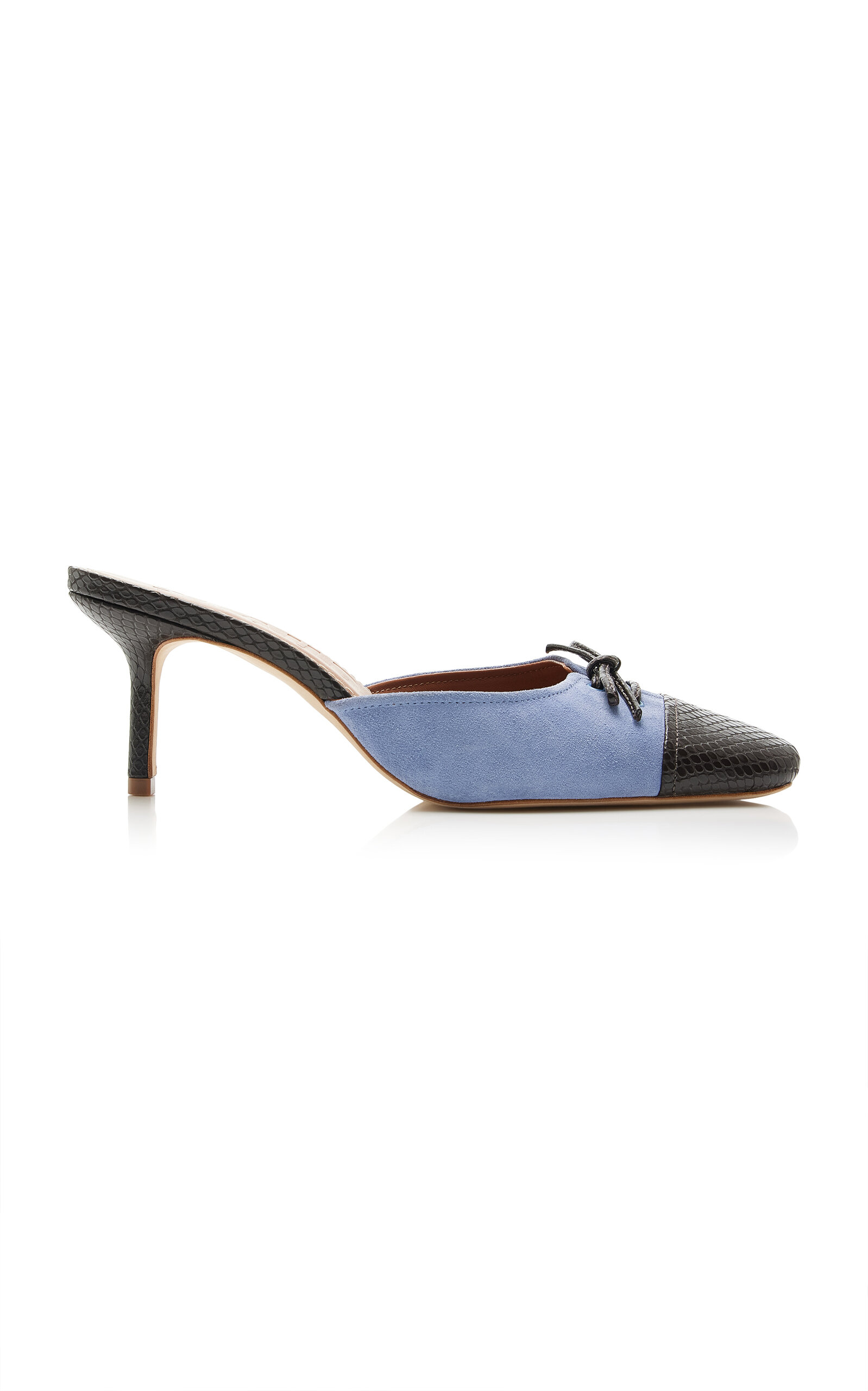
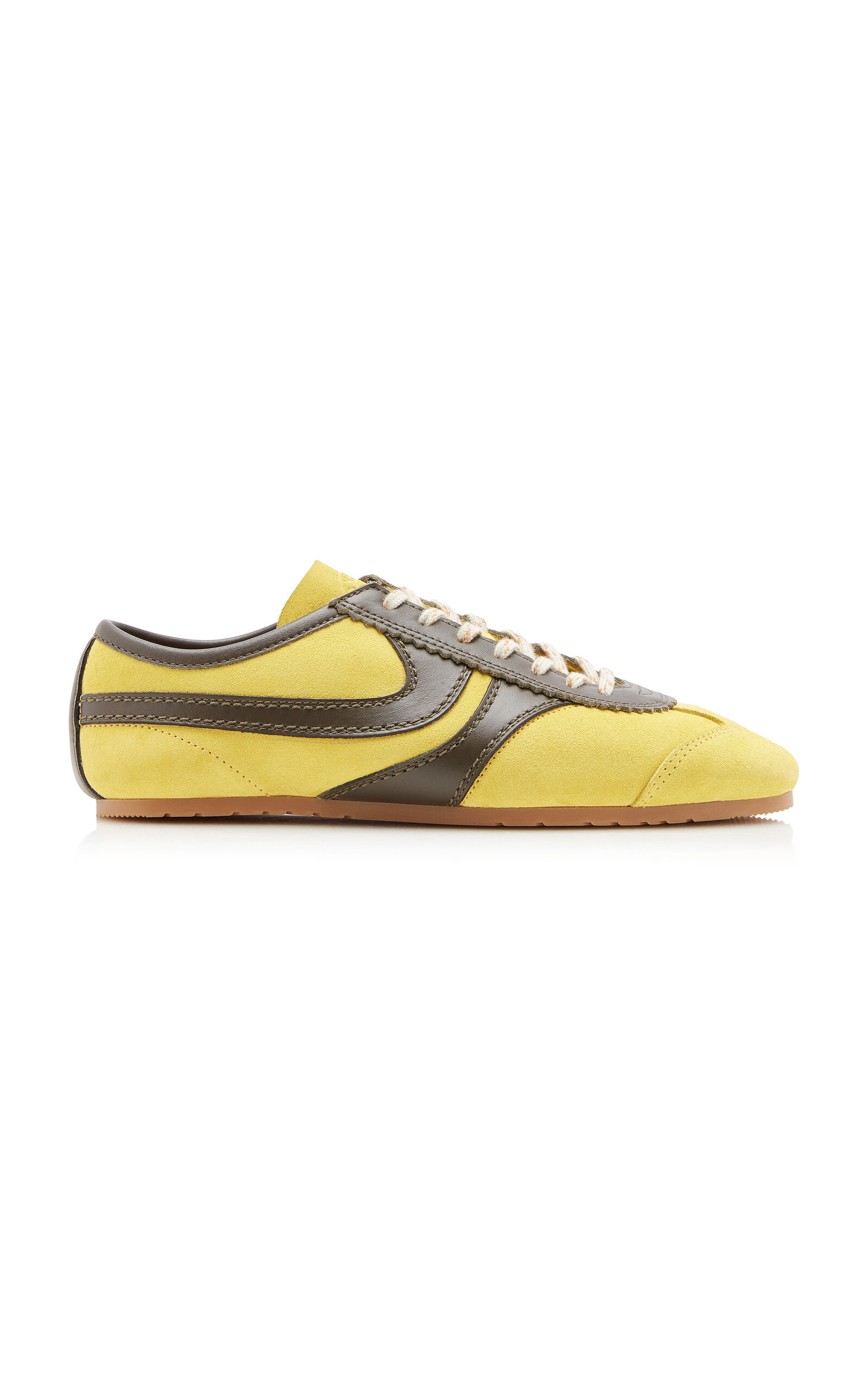
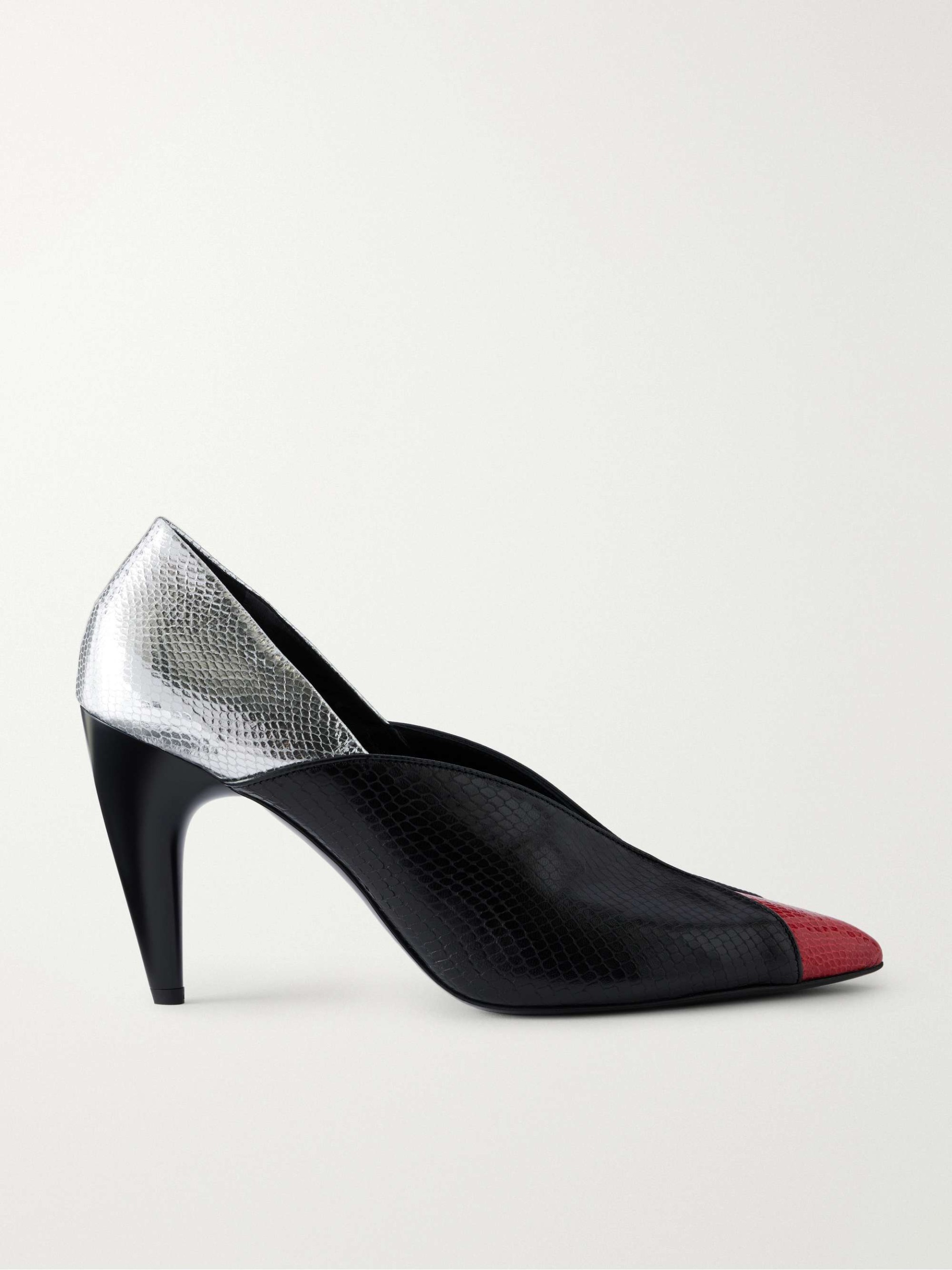
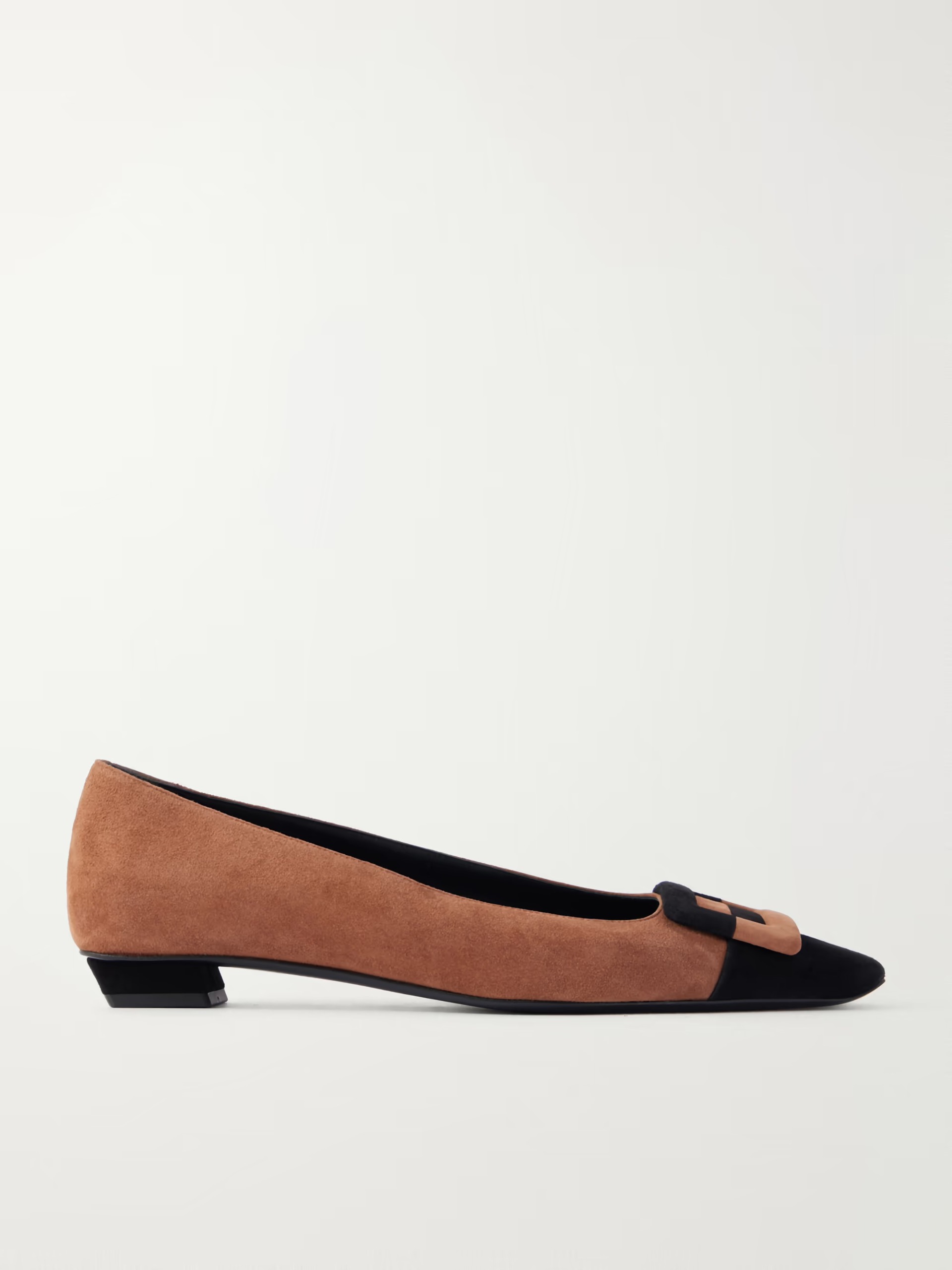
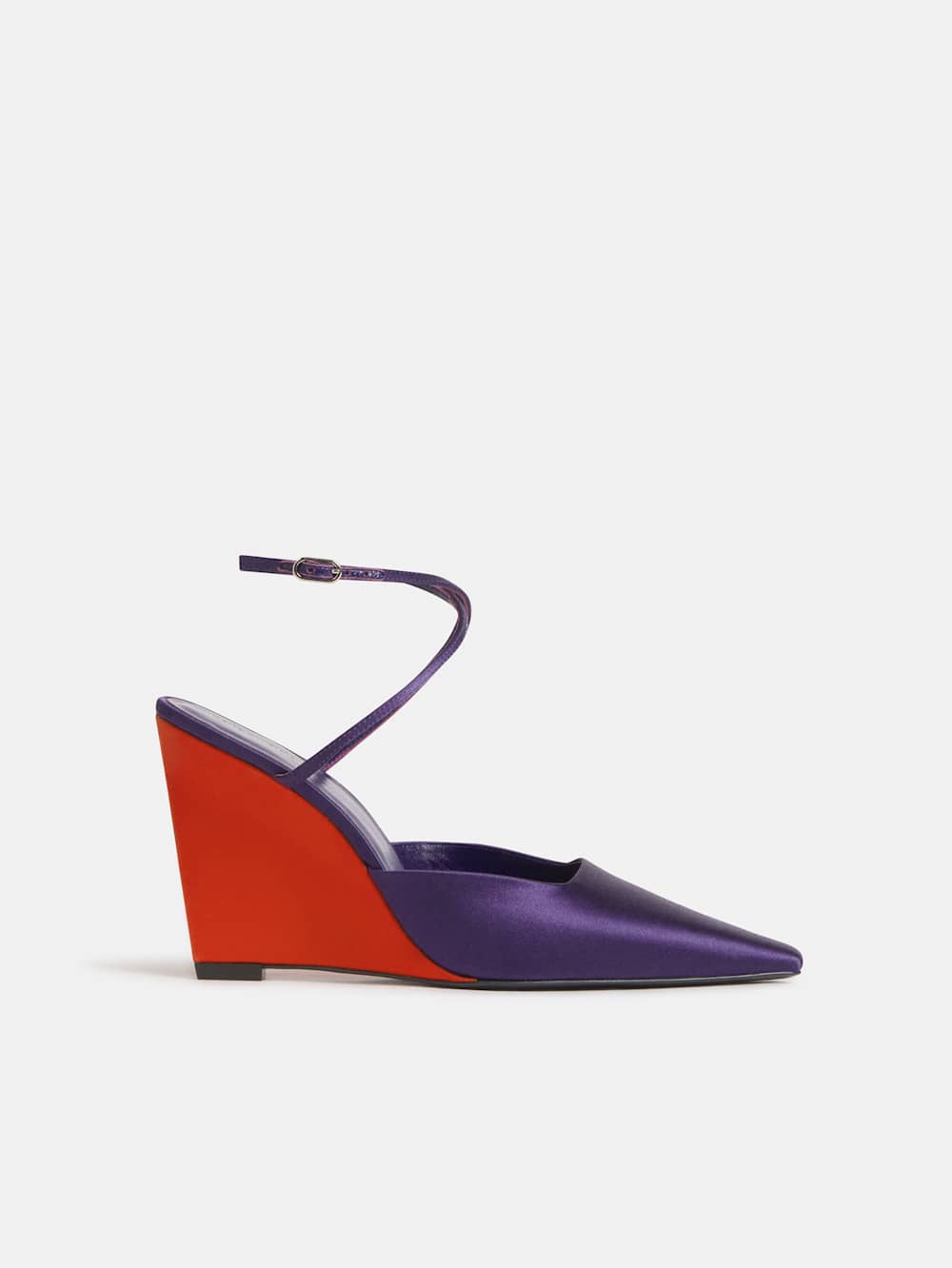
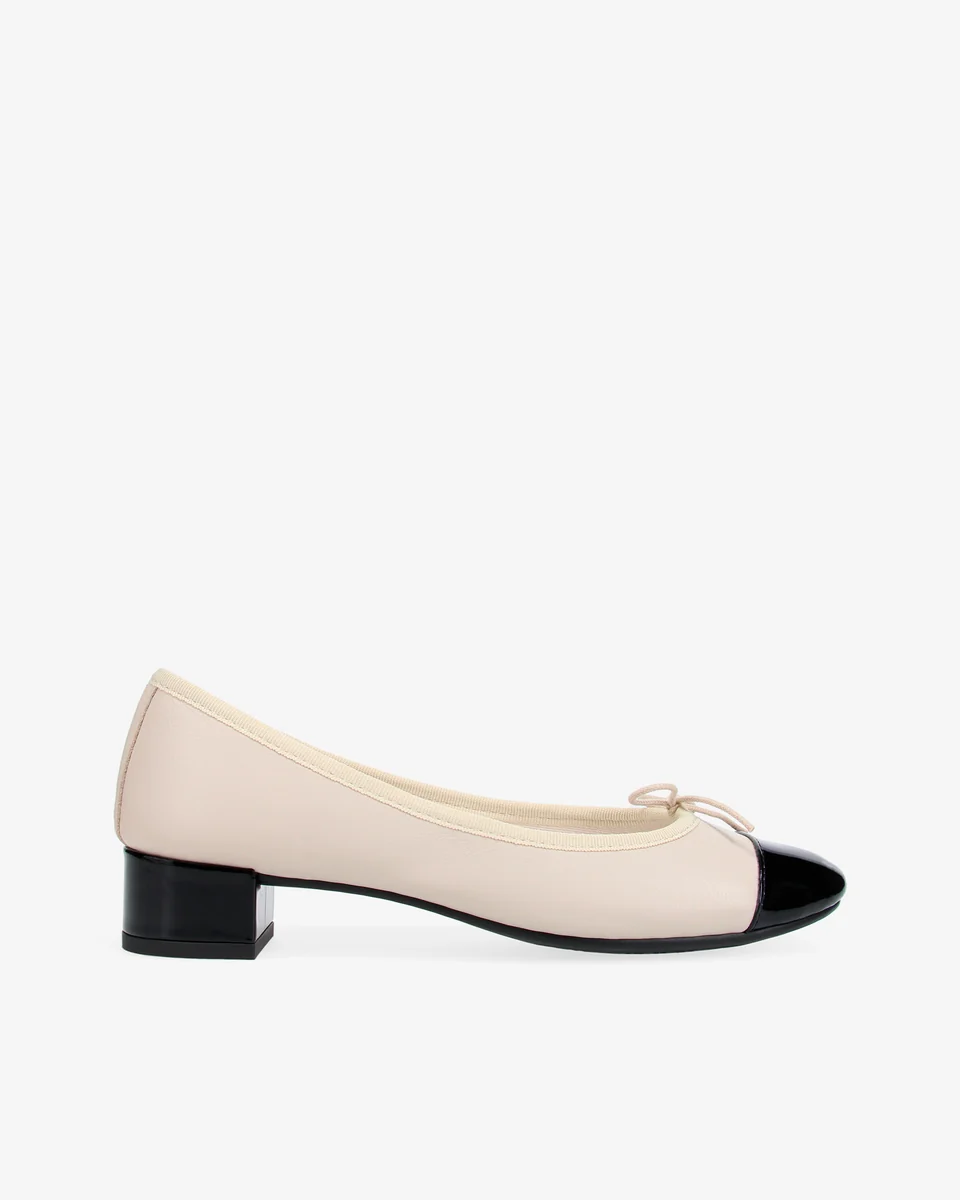
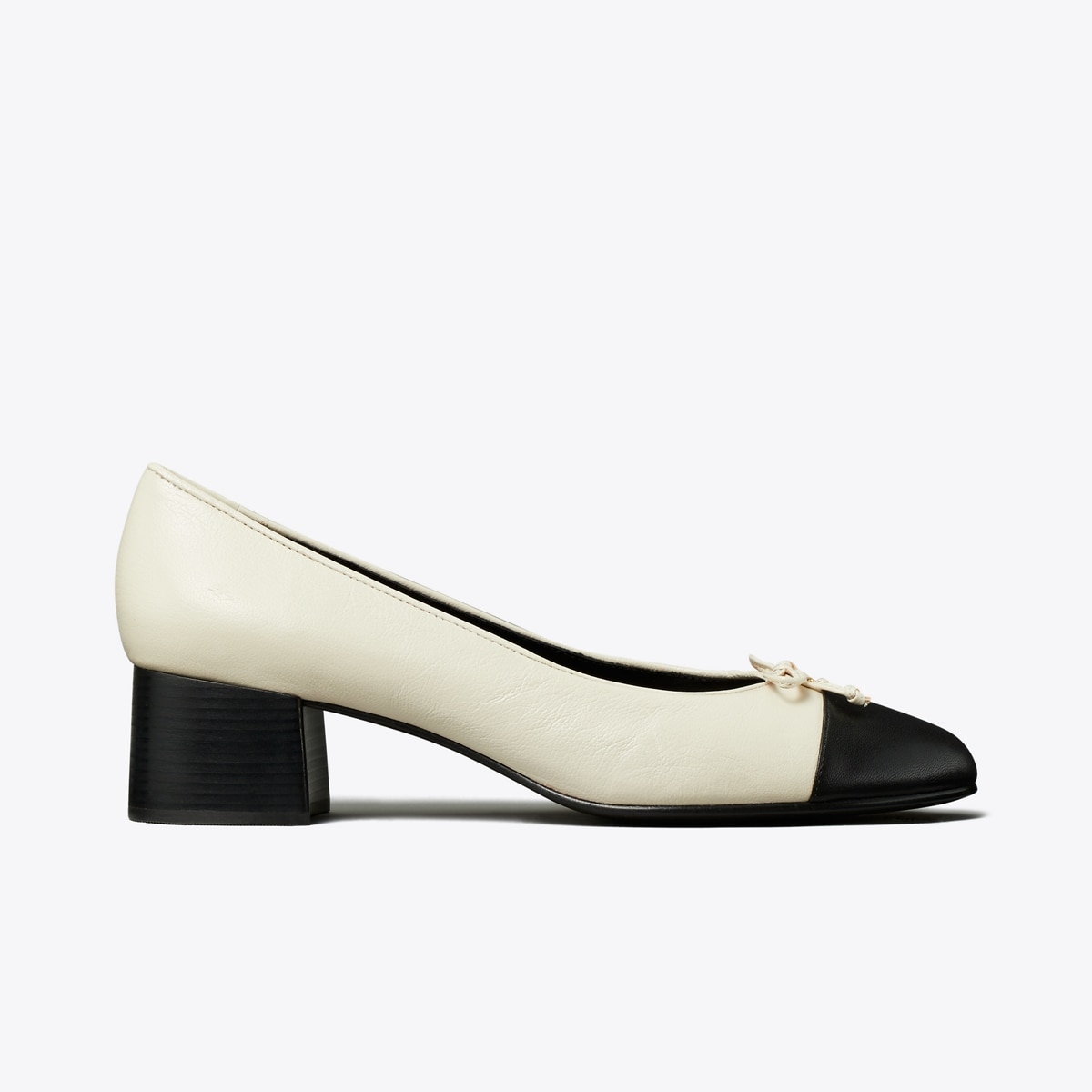
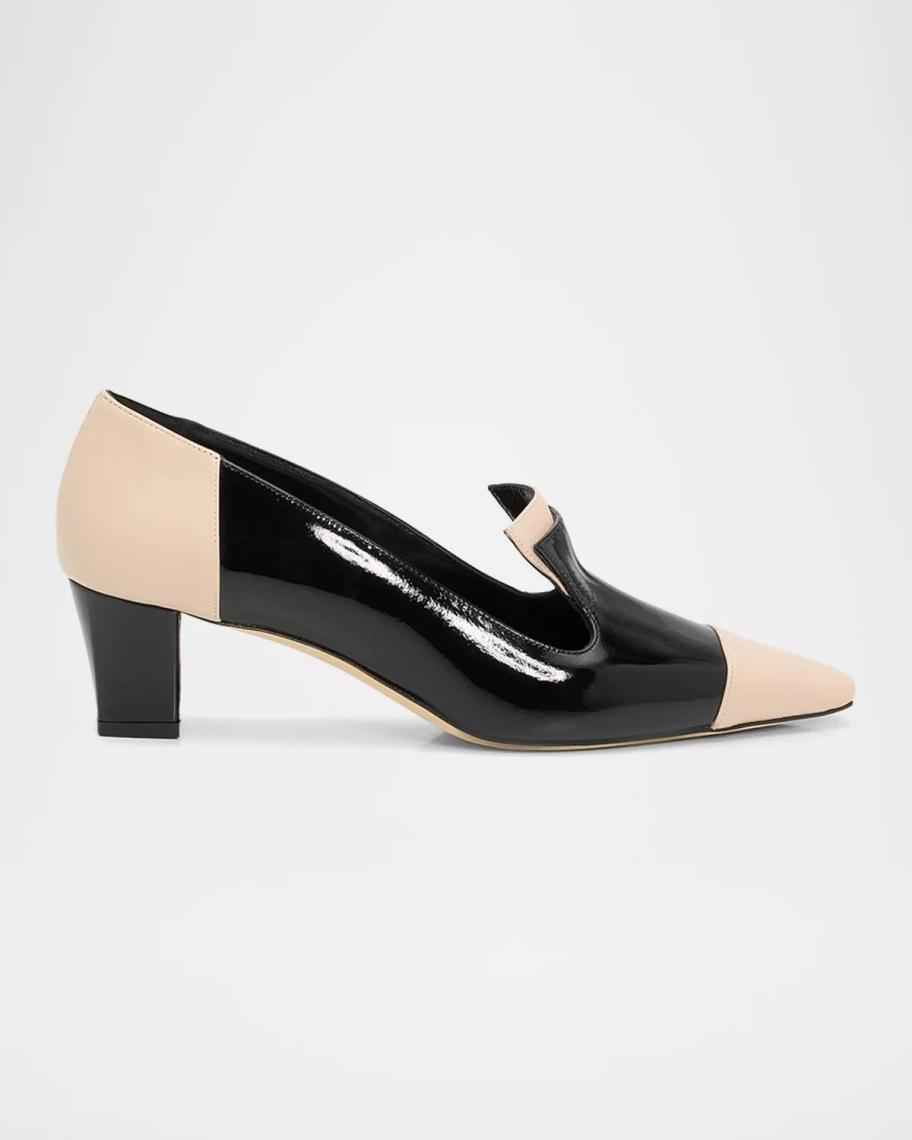
Blazy’s Chanel has a way of taking the house’s most familiar signatures and disturbing them just enough to make them desirable all over again, and the bicolor shoe is particularly ripe for reinterpretation. Suddenly, two-tone footwear feels less like an archival reference and more like a styling proposition—one that’s spreading well beyond the boundaries of the traditional cap toe. Contrast can climb higher across the vamp, wrap around the heel, divide a sleek sneaker into competing shades, or turn an otherwise demure ballet flat into something decidedly more graphic.
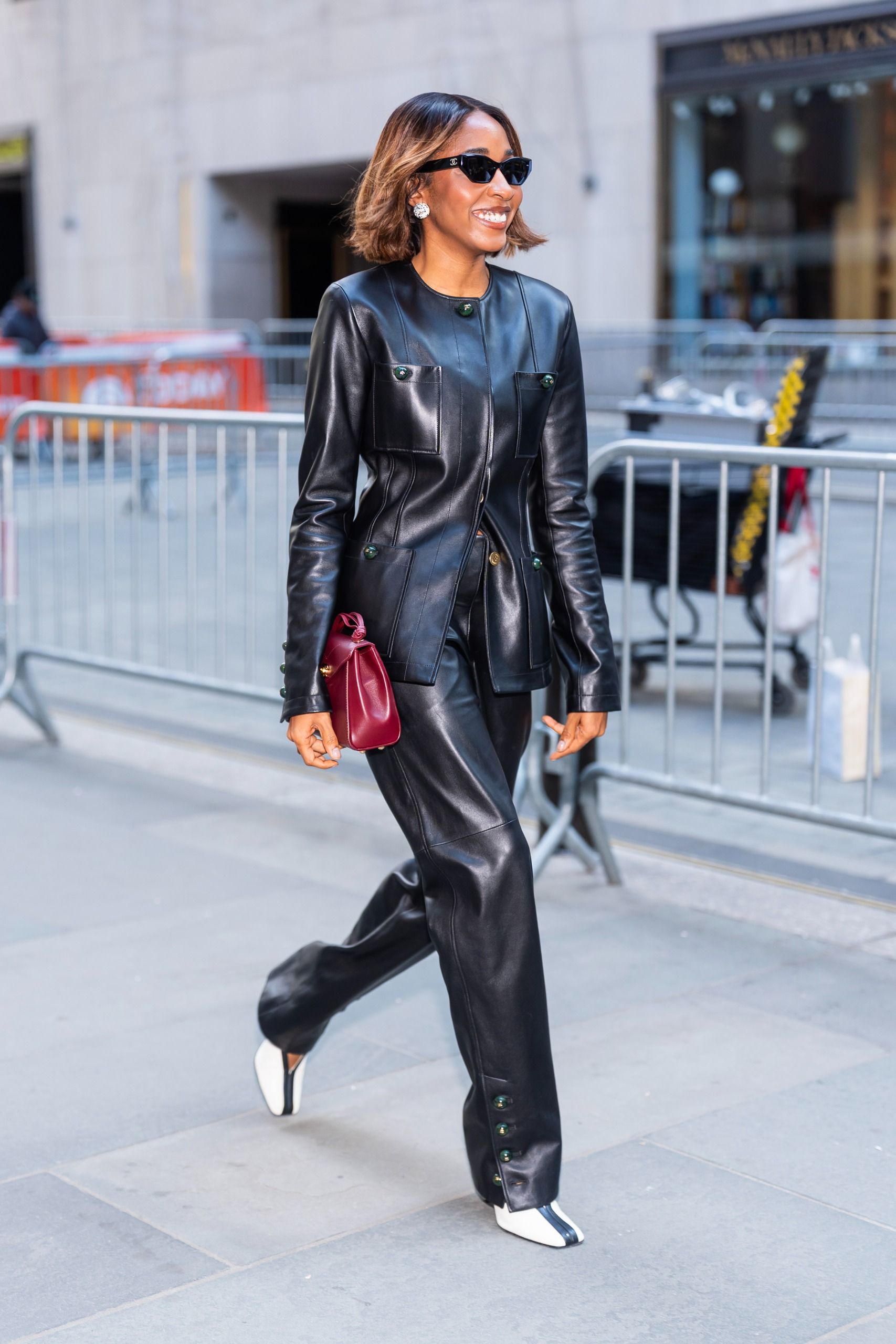
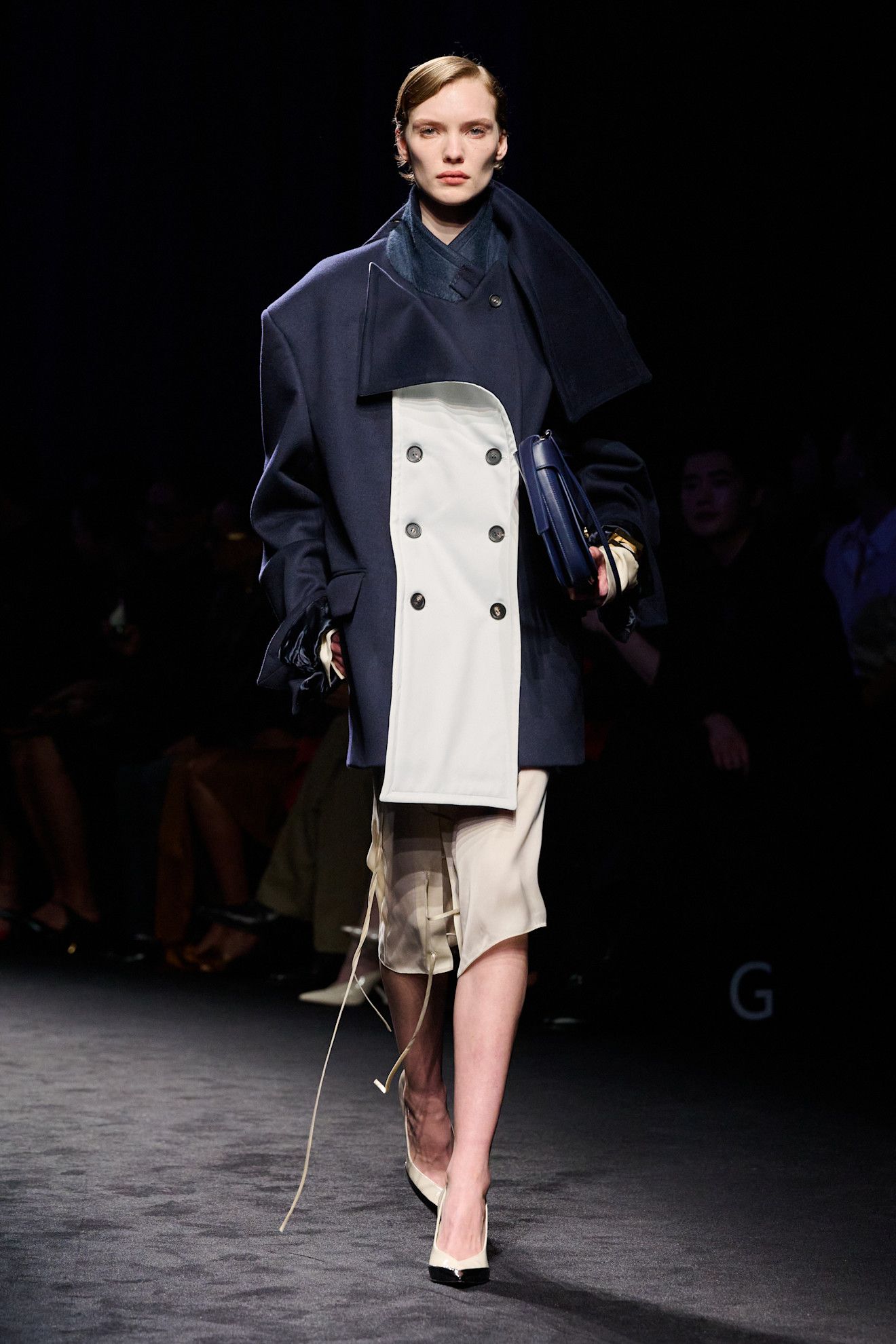
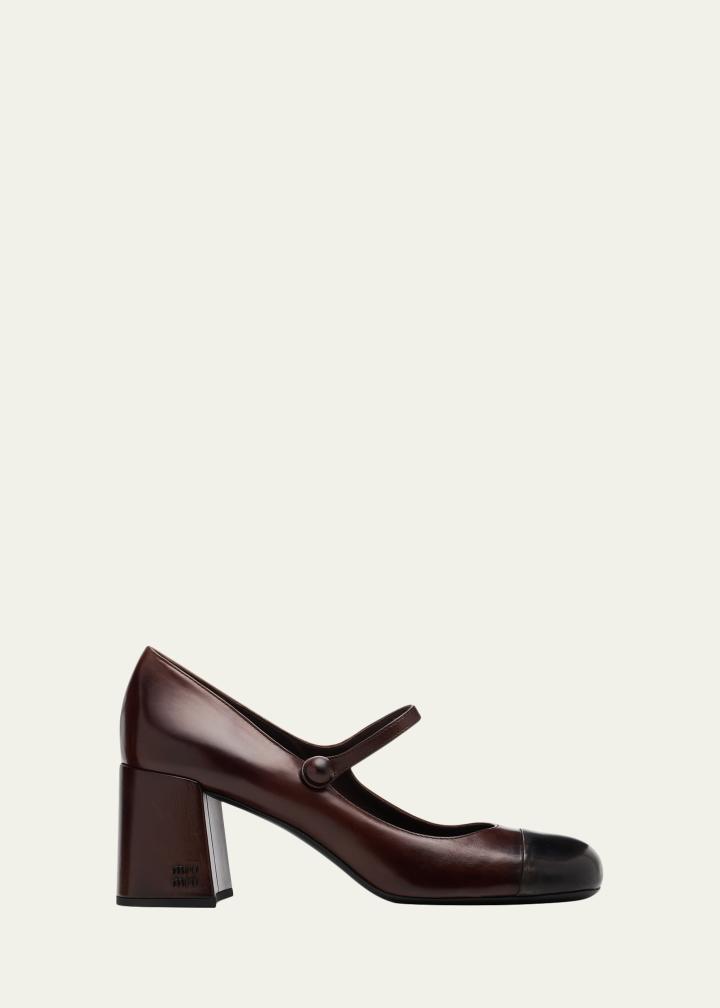
And perhaps that’s why the trend feels so right now. Fashion has been flirting with restraint for seasons, but the appetite is shifting toward pieces with more personality—details that interrupt rather than simply complement an outfit. The new two-tone shoe does exactly that. Whether rendered in black and cream, burgundy and brown, or less expected color pairings, it delivers the sophistication of an old house code without the preciousness. Chanel may have supplied the original punctuation mark; fashion is now rewriting the rest of the sentence.
Want to read more?
Check out the full article on the original site